A few minutes
That's roughly how long an electric furnace's circuit board needs to reset after power returns before it will fire the blower and heat strips again.
A local pro for your furnace repair
Power comes back on and your furnace just sits there, or it runs but no heat comes out of the vents. Most electric furnaces need a reset once power returns, and sometimes a breaker or a switch got tripped along the way. If yours still won't start, submit your info and a contractor who knows these systems will reach out.
Get matchedMost electric furnaces don't restart on their own after a Washington power outage. The circuit board needs a moment to reset, and if the outage was long enough, the thermostat may have lost its program and needs to be checked too. Start at the breaker panel. Find the breaker for the furnace and switch it fully off, then back on, since a surge during the outage can trip it without the switch looking tripped. Check any service switch near the furnace itself, usually on the unit or nearby wall, and make sure it's in the on position. Give the system a few minutes after that before you judge whether it worked. If the blower runs but you feel no warm air, or the unit stays dead after the reset, something beyond the power loss is likely at fault, and that's a repair job, not a reset.




Find the breaker panel and check the furnace breaker first
Reset any tripped breaker by switching it fully off then on
Check the furnace power switch near the unit itself
Wait a few minutes for the circuit board to reset
Why won't my furnace turn back on after the power comes back?
An electric furnace runs its blower and heat strips through a circuit board, and that board needs to reset itself before it will respond to the thermostat again. That takes a few minutes on its own. If the outage ran long, the thermostat screen may be blank or showing the wrong time, and a furnace won't fire off a thermostat that isn't reading right. The breaker is the other place this shows up. A hard outage can trip the furnace breaker even after the power is back, and a tripped breaker looks the same from the vents as a dead circuit board. Check both before deciding the furnace itself has failed.
That's roughly how long an electric furnace's circuit board needs to reset after power returns before it will fire the blower and heat strips again.
If the breaker is on, the switch is on, and the thermostat is set right, the furnace itself likely needs a licensed look, not another reset.

An electric furnace that won't restart means no heat at all, not reduced heat. With most homes here running on electric heat, there's no backup source warming the place while you sort out the breaker panel. Rooms farthest from the furnace cool first, and anyone in the house who gets cold easily, a baby, someone older, will feel it before you do. Pipes along outside walls are worth a check too if this drags on.
If you've gone through the breaker, the switch, and the thermostat and it still won't fire, the problem is past what a reset fixes. Submitting the form on this page gets you matched with a contractor who takes it from there. Someone looks at your specific situation and reaches out to you directly, so you're not the one calling around while the house sits cold.
2 a.m. and the hallway is quiet in the way that wakes you up. You check on the kids and the air at the top of the stairs feels wrong before you understand why. The vent under the window isn't moving. Outside, the cold is doing what January cold does here, and the window glass has gone white at the edges. You stand there a second in the blue dark, listening for the blower, and it doesn't come.
You've checked the breaker, flipped the switch, waited past the few minutes a circuit board needs, and the house is still cold. At that point the problem isn't the outage anymore. It's something in the furnace that a reset won't fix, a board that won't hold, a switch that looks fine but isn't, a control that needs a tech with a meter to find. Washington winters don't wait for business hours, and a house that heats on electricity has nothing else carrying it once the furnace is down. You already did the part that was yours to do. The rest is a diagnosis, and that takes someone standing in front of the unit, not another hour of guessing in the dark at the breaker panel. Send the request and let a contractor who knows these systems take it from here while you get back to getting the house warm.

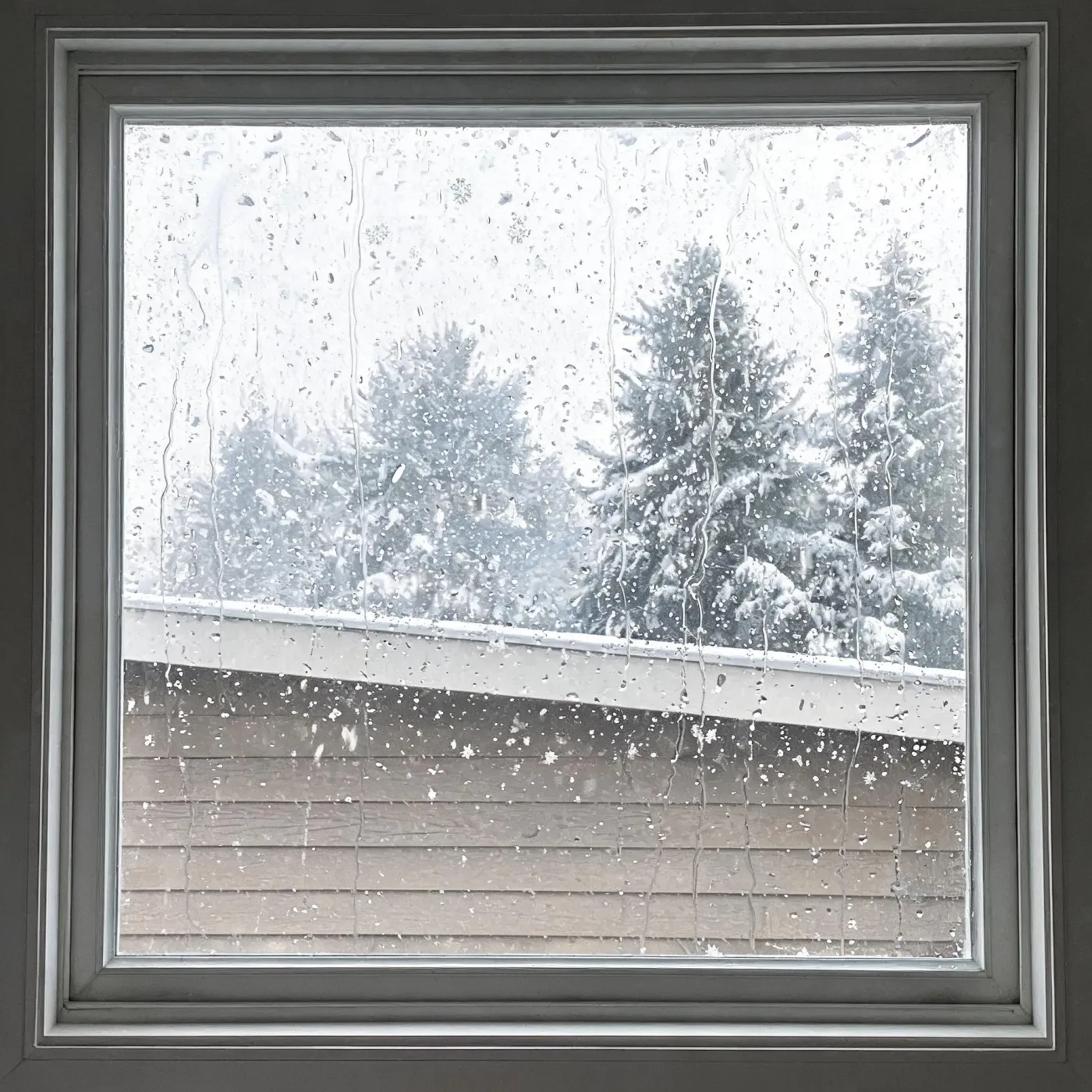
Winter nights average 30°F across Washington, according to NOAA. That's not a deep freeze, but it's enough that an electric furnace is running most of the night to hold the house steady. When the power drops and the furnace doesn't come back on its own, there's nothing else carrying the load. Rooms farthest from the furnace cool first, and by morning you'll feel it in the floors before you feel it in the air. A furnace that's slow to reset after an outage doesn't just mean a cold hour, it means the whole house drifting down together until someone finds the breaker.
NOAA nClimDiv 1991-2020 county normals weighted by homes
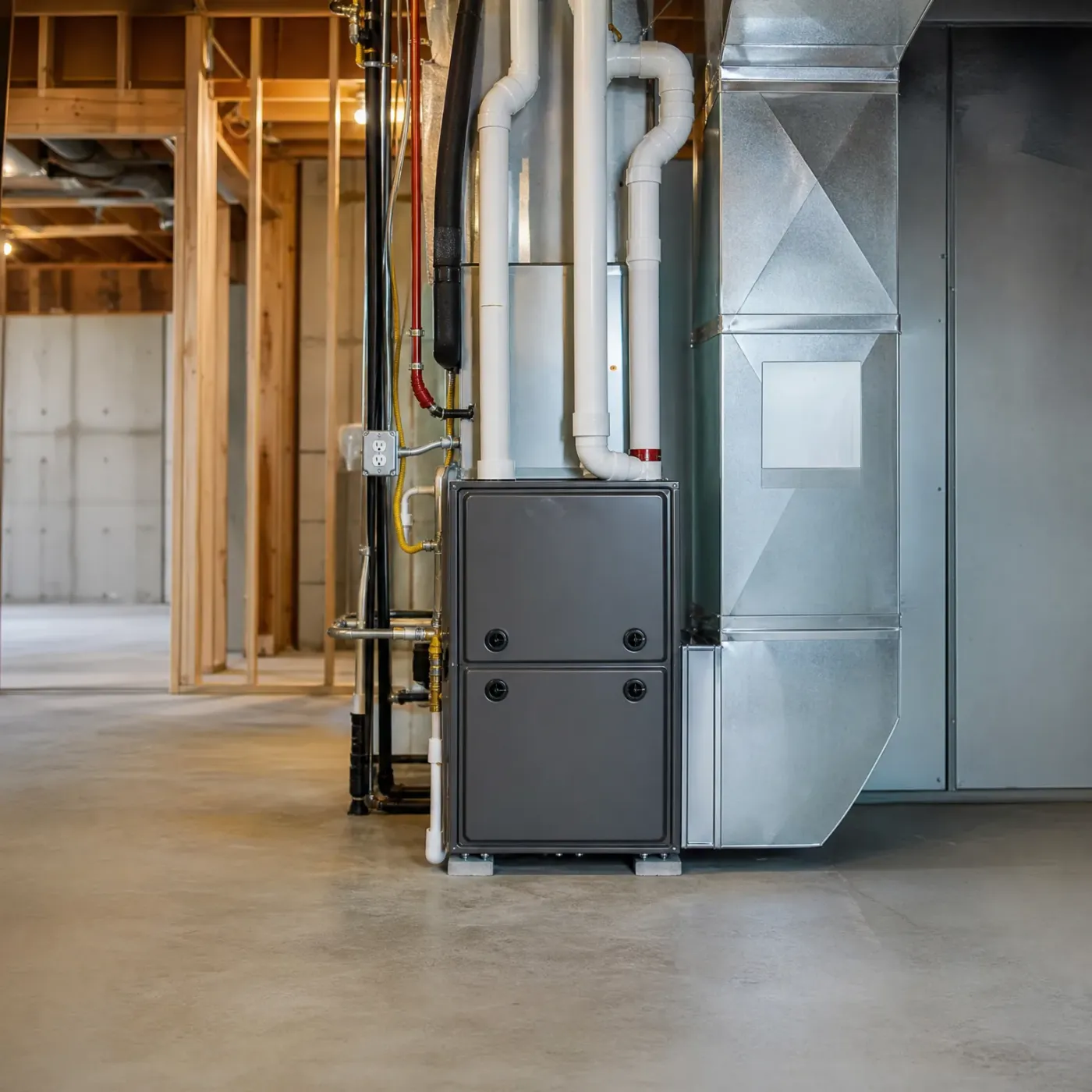
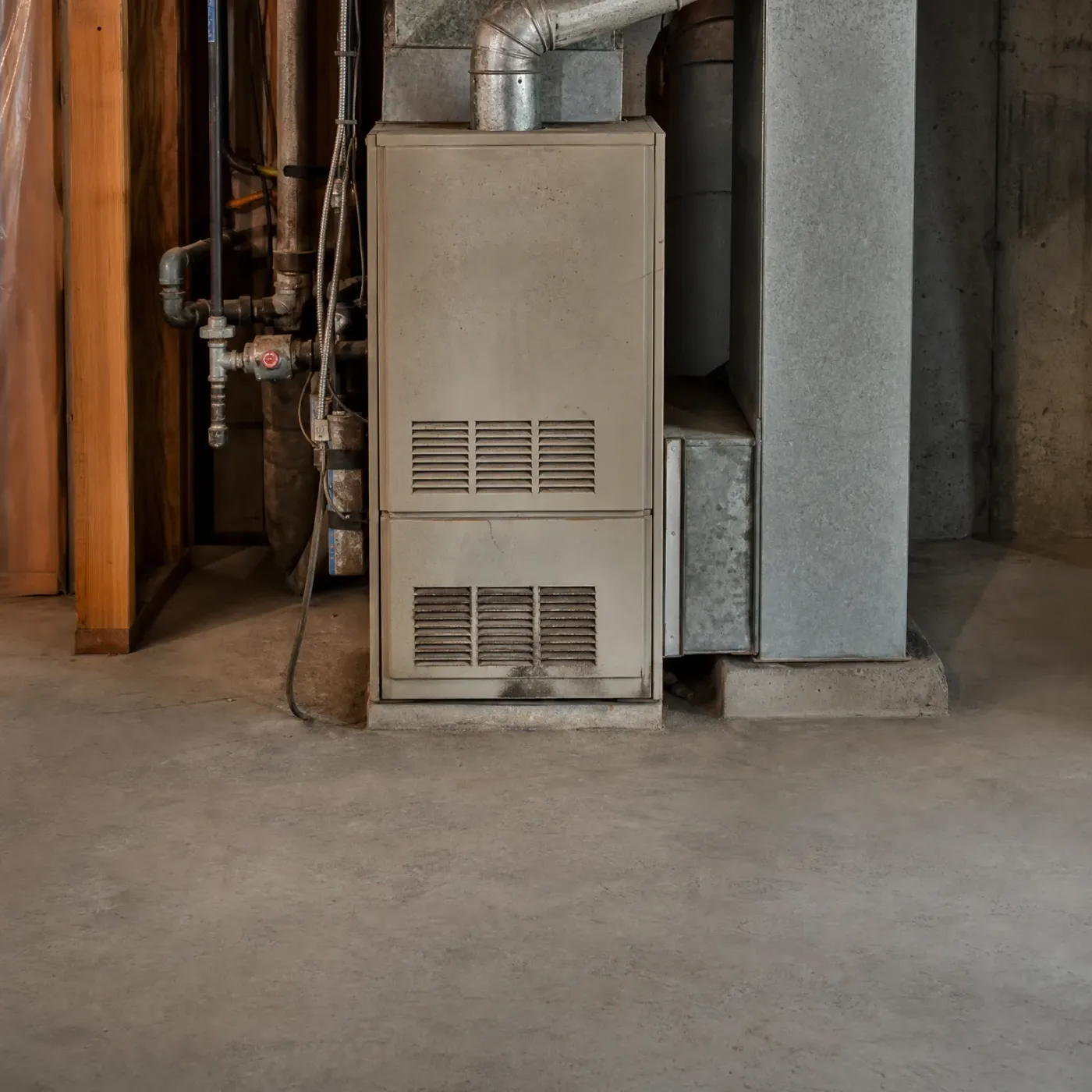
At 30°F, a furnace that stays down means the house loses heat fast, since there's no woodstove or gas backup picking up the slack in most homes here. A few hours without it and rooms start to feel it, especially where the kids sleep.
NOAA nClimDiv 1991-2020 county normals weighted by homes
Most of the time, getting the furnace back on comes down to three checks. The breaker panel, the switch on the unit, and the thermostat screen. If the breaker tripped, resetting it fully off then on usually brings the board back within a few minutes. If the thermostat went dark during the outage, it needs its time and temperature set again before the furnace will respond to it at all. Those three things account for nearly every no-heat call that follows an outage here.
When none of that works, the furnace isn't waiting on a reset anymore. Something inside it failed, a board that won't hold power, a switch that looks fine but isn't passing current, a motor that didn't come back even though everything upstream did. No amount of breaker flipping fixes that, and there's no reason to keep trying once the few minutes a board needs have passed and the house is still cold.
That's where the form on this page does the part you shouldn't have to. Submit it and a contractor takes over from there, matched to what you've described and reaching out directly. You're not the one calling around anymore. At 30°F overnight, with electric heat the only source in most homes here, that's the part worth not sitting on. The breaker, the switch, the thermostat. Check those first. If the house is still cold after, the next step is already set up to happen without you chasing it.
Get your furnace to the right pro