Sizing It Right, Once
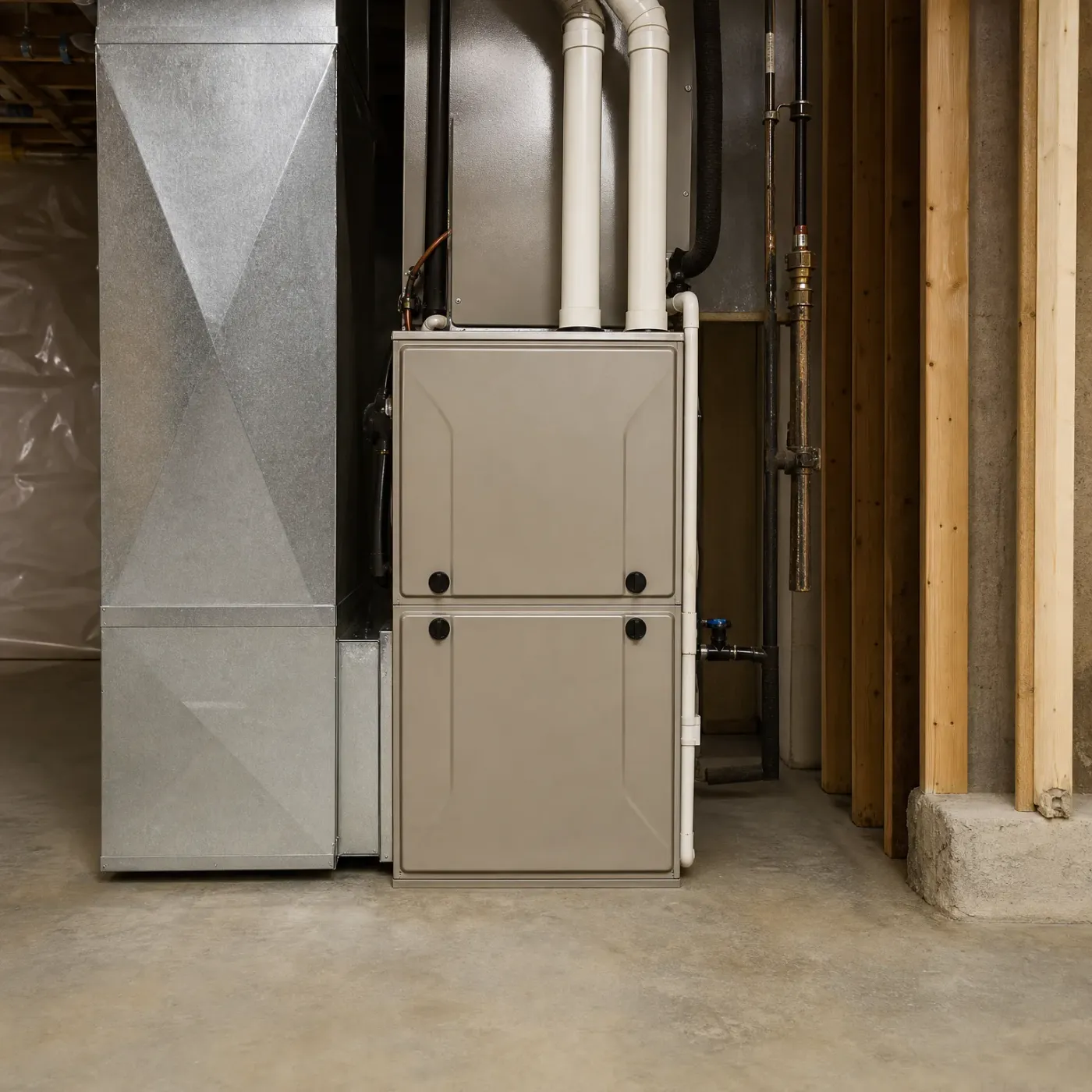
- Most furnaces need a generator sized for the startup draw of the blower motor, not just the running load.
- A furnace with an electric igniter or electric blower draws far more at startup than it does once it's running.
- Washington homes heating with electricity feel an outage faster, since the furnace is part of what stops.
- An undersized generator will start the furnace, then trip or stall when the blower motor kicks in.
- Sizing right once means the furnace, and anything else on the panel you want running, comes back on without guesswork.
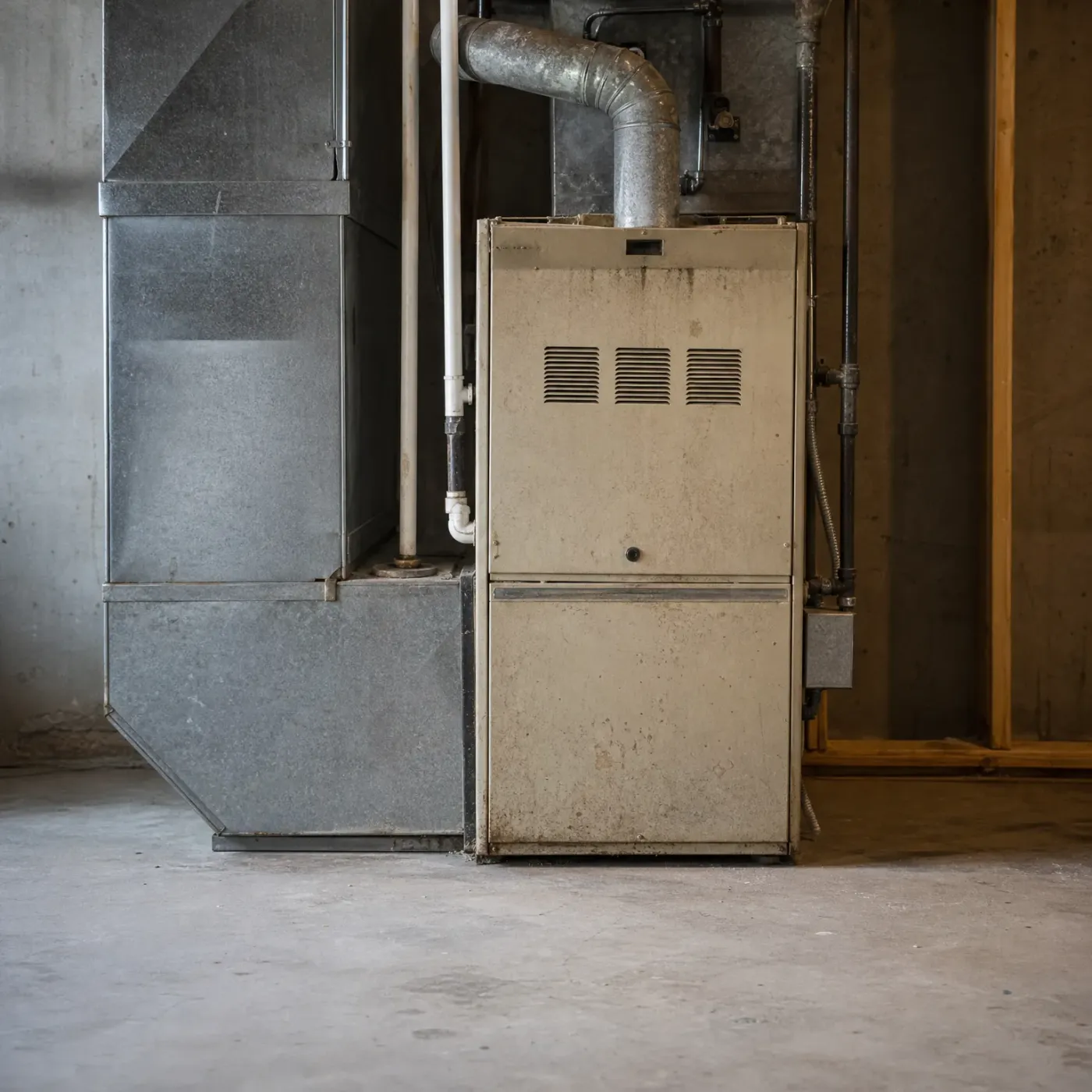
- A contractor who knows your furnace model can match the generator to it instead of estimating from the nameplate alone.
A furnace doesn't draw the same amount of power the whole time it runs. The blower motor takes a hard pull the moment it starts, more than it needs once it's turning, and a generator has to be sized for that first second, not the steady draw after. This is where guesswork catches people. A generator that looks big enough on paper can still stall the second the blower kicks in, because the nameplate tells you the running load, not the startup draw.
In Washington, where most homes heat with electricity, the furnace is one of the first things to go quiet when the power drops, and one of the first things you want back. That makes the sizing matter more here than it would somewhere the furnace is gas-fired with a pilot light that never needed power to begin with.
A contractor who works on these systems knows what a given furnace model actually pulls at startup, not just what the nameplate suggests, and can size the generator around that number along with anything else you want running when the power's out, a well pump, a sump pump, whatever else matters to you. Get that match right and the furnace comes back on the way it's supposed to, without a second guess about whether the generator can handle it.