


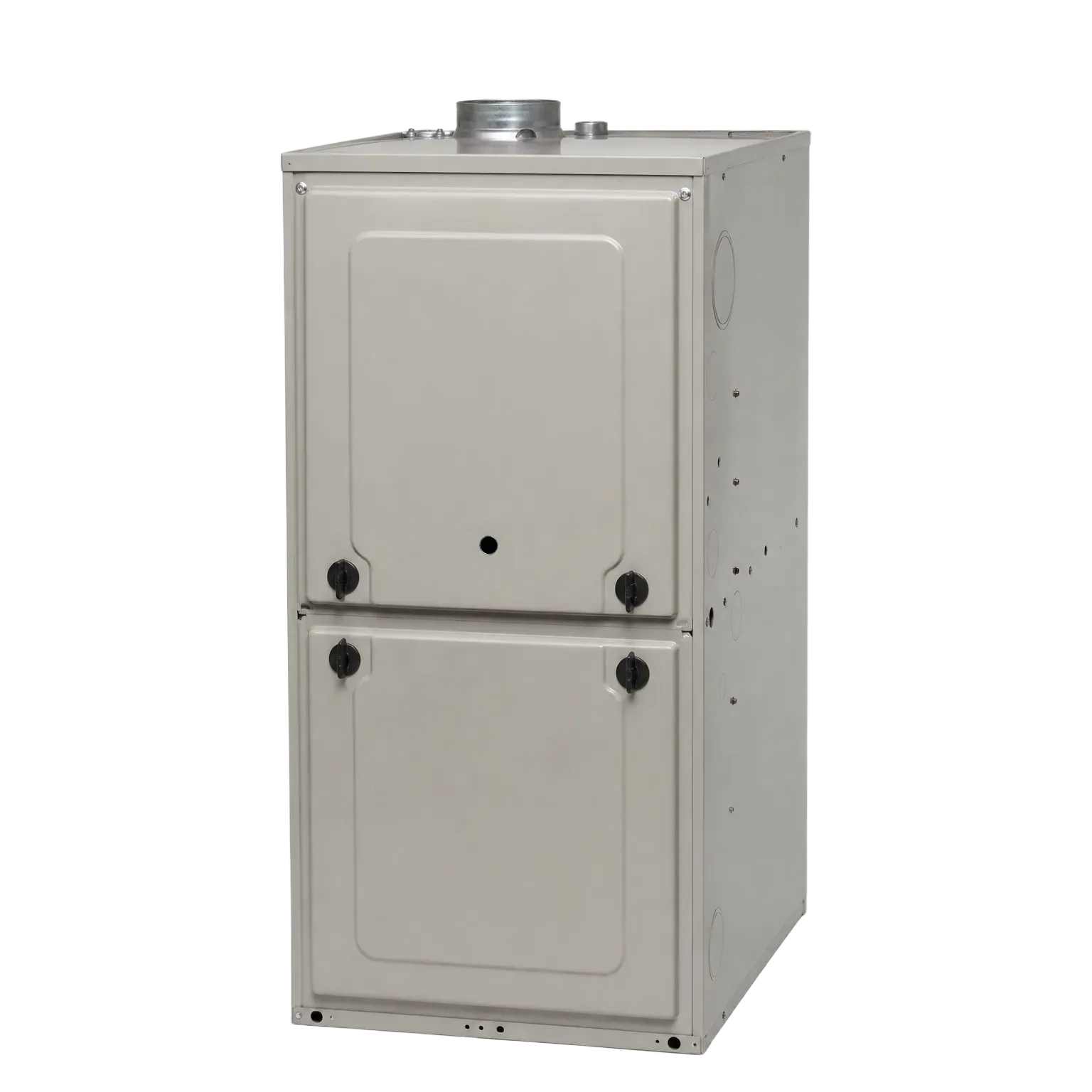
Firing clean
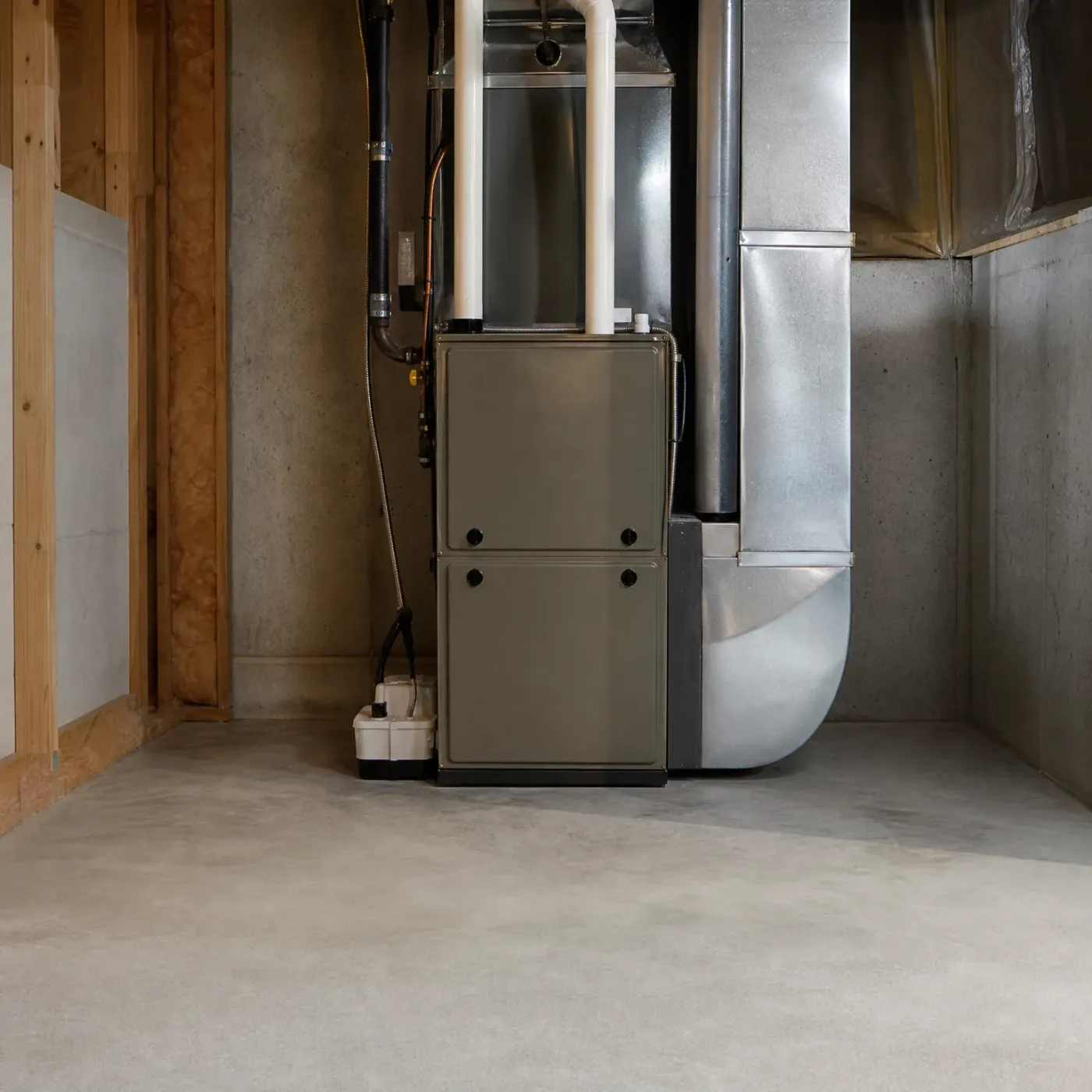
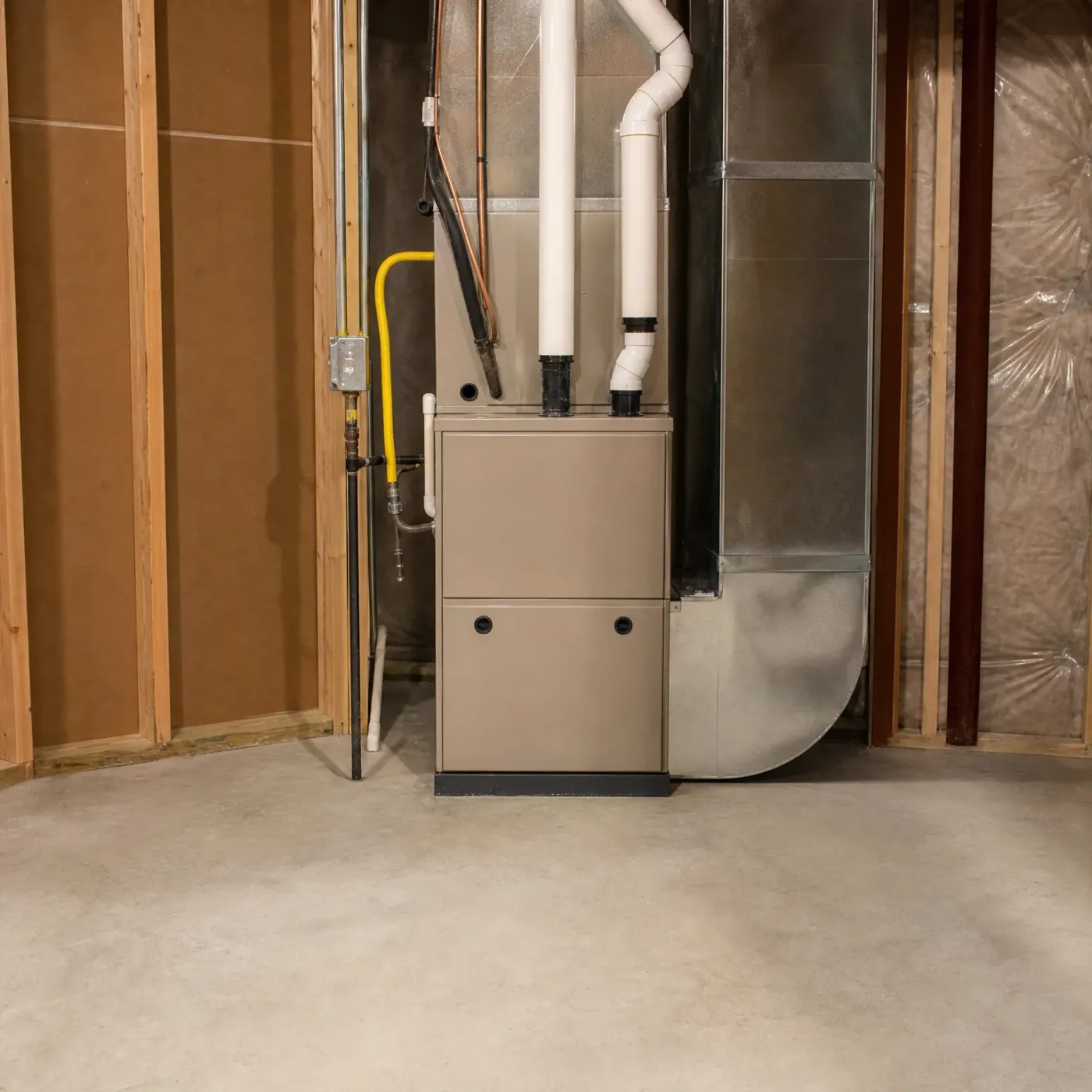
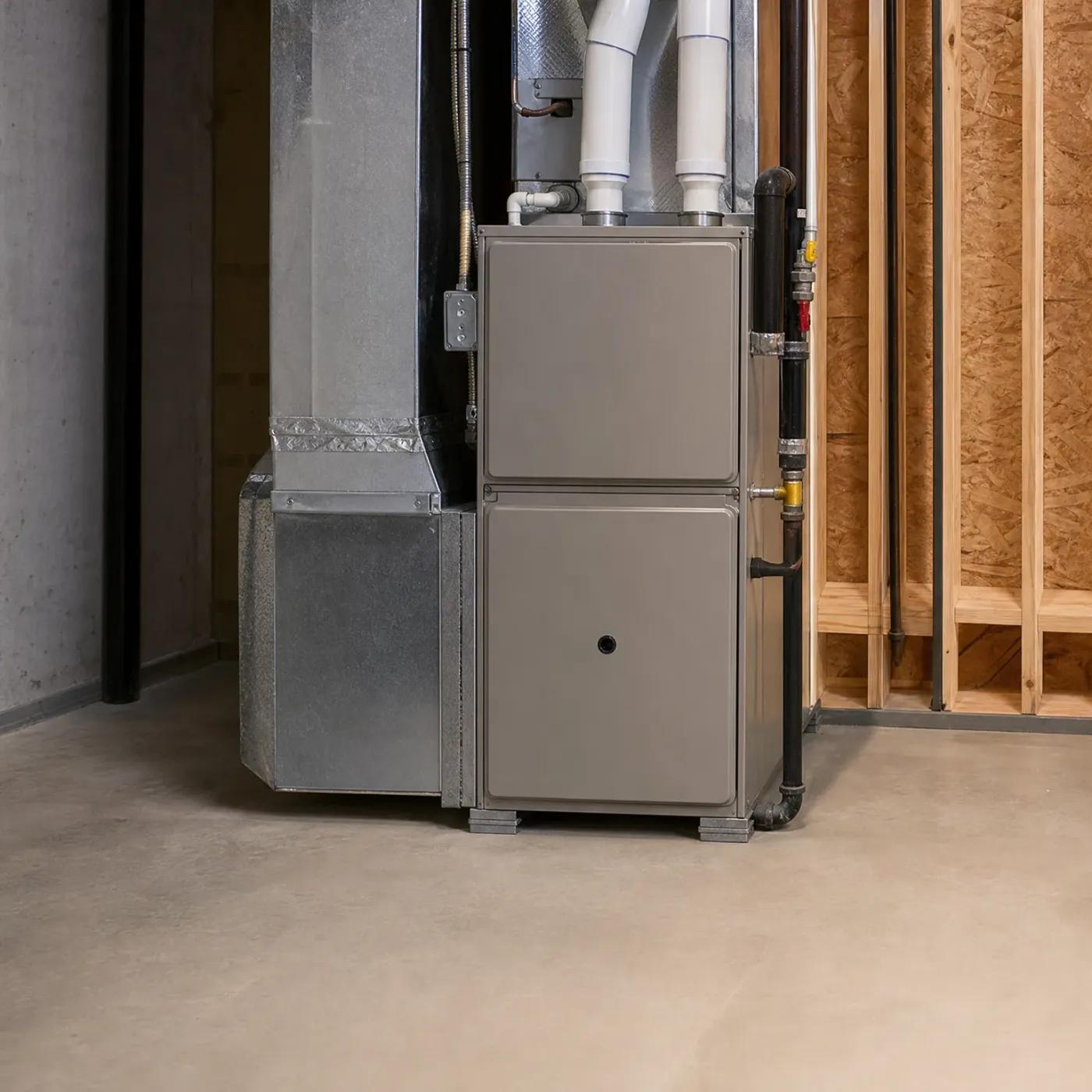
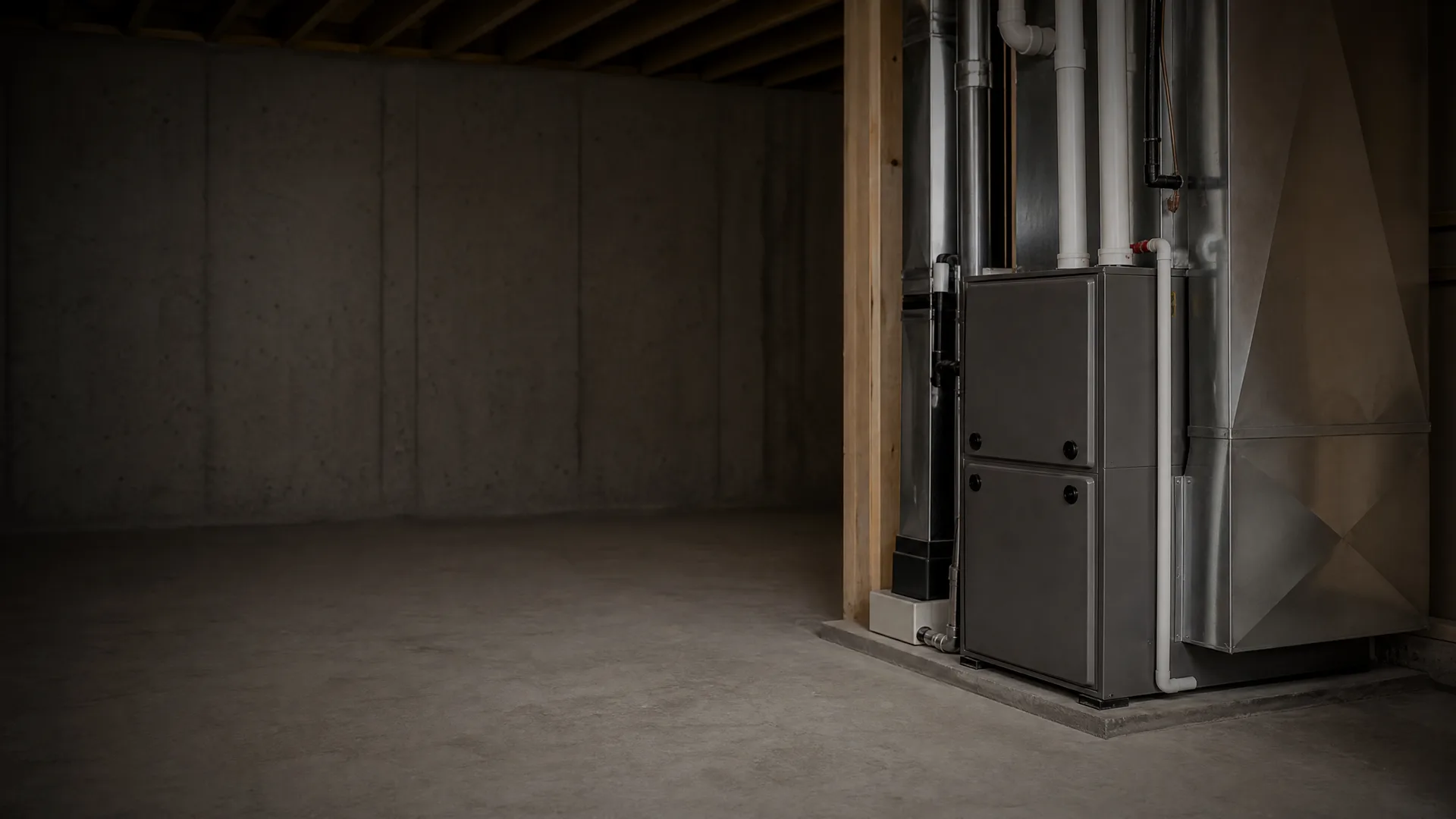
The ignitor glows an even white and the burners catch on the first try. The flue runs clear through the PVC pipe and the condensate pump clears water as it should. No clicking, no delay, just heat when the thermostat calls for it.
Get the furnace repair search off your mind today.
Let a pro reach outA furnace ignitor that keeps failing is usually a sign of a crack from age, or a buildup of dust and soot keeping it from heating evenly, which stresses the element each time it fires. Since most homes in Washington heat with electricity, a furnace running alongside that system often cycles on and off more than it needs to, and every cycle is another jolt to the ignitor. A loose connection or a furnace drawing the wrong voltage will wear one out fast too, sometimes within a single winter. If yours has been replaced more than once, something else is likely causing the failures rather than bad luck with parts. A qualified technician can test the flame sensor, the gas valve timing, and the wiring itself to find what's actually behind it, rather than swapping in another ignitor that fails the same way.
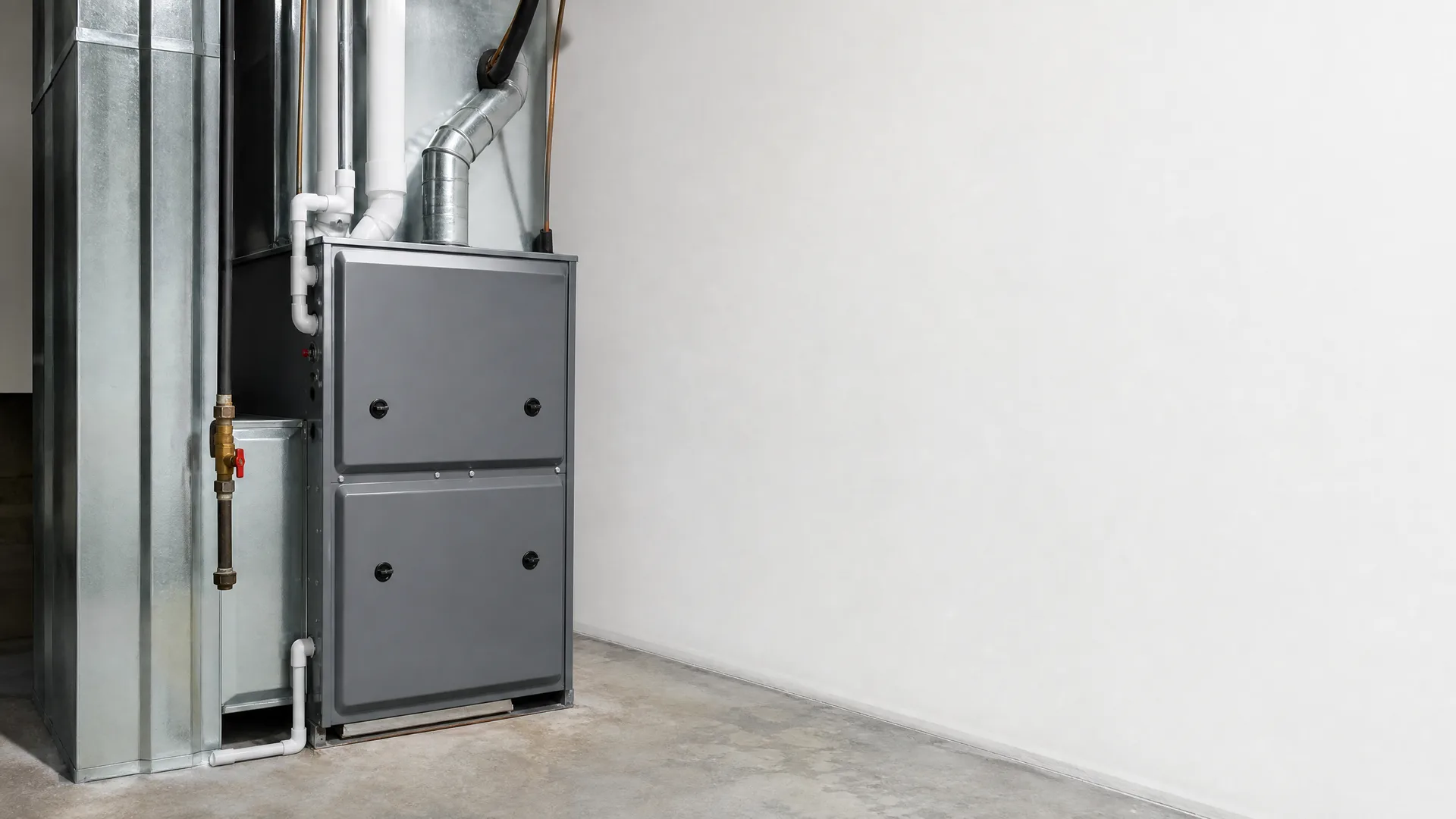
A hot surface ignitor is a thin strip that glows white hot to light the gas. Every cycle it heats up fast and cools down fast, and that swing is what wears it out over time. A hairline crack starts small, then breaks clean the next time the furnace calls for heat. If the furnace short cycles or the flame sensor is dirty, the ignitor fires more often than it should, which shortens its life faster than normal use would.
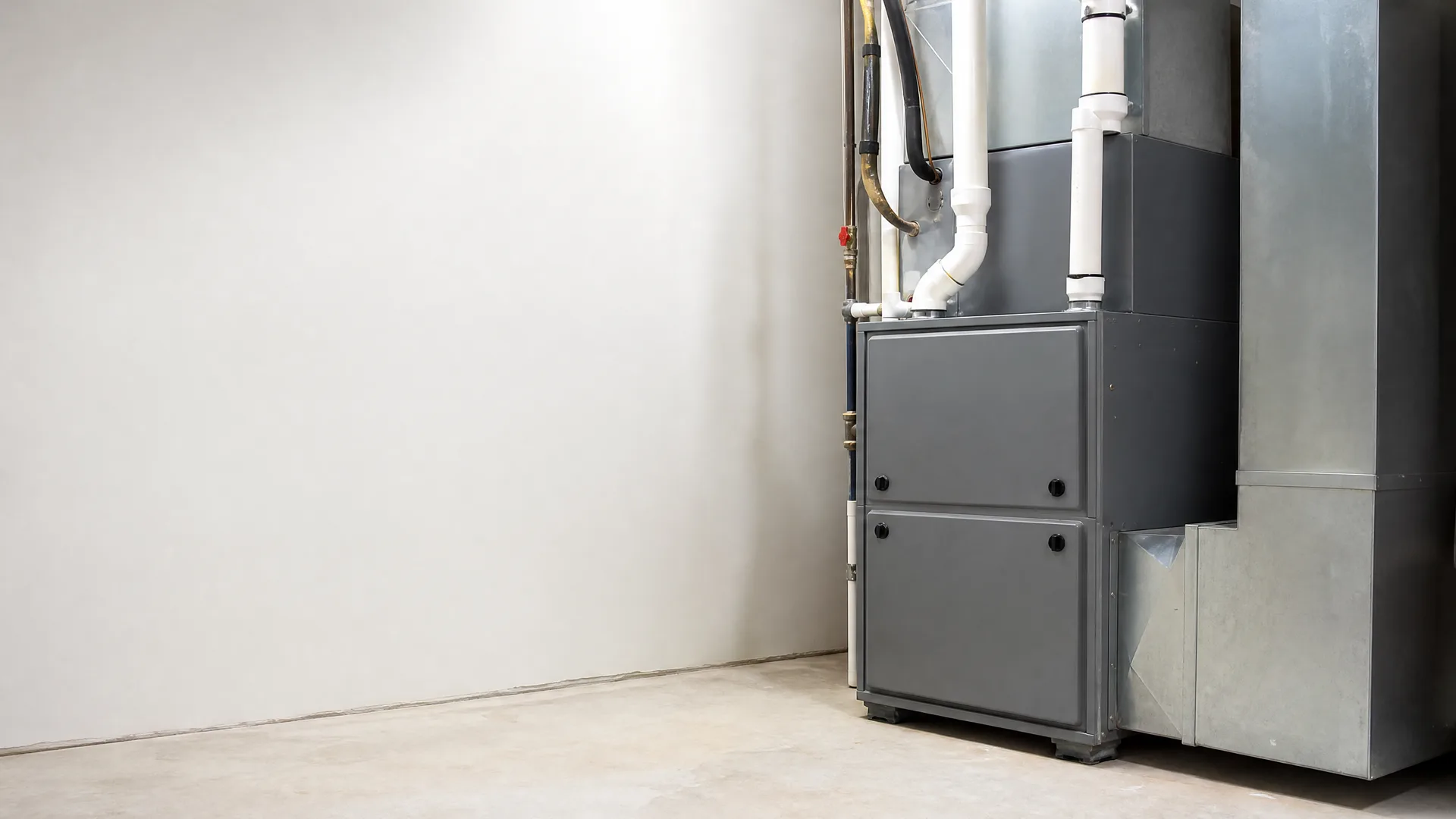
Replacing the ignitor on its own fixes the symptom but not always the cause. A contractor who works on these furnaces every winter will check the flame sensor, the inducer motor, and the venting before closing the panel back up, because a furnace that keeps breaking ignitors is often reacting to one of those. Catching that on the first visit means one less part failing again in a few months.
You hear the inducer motor start, a few clicks, then nothing. No flame, no heat, and sometimes a faint burnt smell near the furnace closet the first time it happens. Other times it lights, runs a few minutes, then shuts off on its own and tries again later. If you reset the system at the switch or the breaker and it works for a day or two before doing it again, that's the ignitor wearing through rather than failing clean. Left alone, a furnace that short-cycles like this is working harder for less heat, and with electric heat already the main cost in most Washington homes, that adds up fast. The bigger risk is a furnace that stops holding a flame at all on a cold night.
Thermostat calls for heat and the inducer motor starts
Pressure switch closes once airflow is confirmed
Ignitor heats up and glows white hot
Gas valve opens and the burners light off the ignitor




Only one pro gets your request, so you hear from one company.
You only hire the pro if you want to.
Replacing the ignitor yourself with the wrong part, or the right part set wrong, can crack it on the first cycle. A furnace tech who works this equipment all winter knows which ignitor your model takes and seats it so it doesn't take the stress a bad fit causes.
A licensed local contractor can also check whether something else is driving the failures, like a flame sensor reading wrong or a pressure switch cycling the ignitor more than it should. Fixing the ignitor alone doesn't help if something else keeps breaking it.
You can buy an ignitor and swap it without much trouble if the furnace closet is easy to reach and the old one is easy to pull. Some models make you remove a panel or two first, and the ignitor itself is brittle enough that a dropped screwdriver or a thumb on the glowing strip can crack it before it ever fires. Get the wrong ignitor for your model and it may heat unevenly or not seat right in the bracket, which brings you right back to another failed one a few weeks later. A furnace tech who services this equipment every winter knows which ignitor your model takes before opening the panel.
A failed ignitor is sometimes the whole story, but not always. If the flame sensor is coated or the pressure switch is drawing dirty air, the ignitor can take the blame for a problem that started somewhere else in the sequence. A tech working on your furnace checks the sensor, the switch, and the soot inside the burner compartment, not just the part that stopped glowing. That matters here because electric heat is what most Washington homes fall back on when the furnace won't light, and a furnace that keeps failing the same way all winter is worth having looked at properly instead of replaced piece by piece.
Winter nights here average 30°F, so your furnace is cycling on and off most of the night to hold the house steady. Each cycle means the ignitor heats up and cools down again. That repeated swing is what a cracked or soot-coated ignitor can't keep taking.
NOAA nClimDiv 1991-2020 county normals weighted by homes
The ignitor glows an even white and the burners catch on the first try. The flue runs clear through the PVC pipe and the condensate pump clears water as it should. No clicking, no delay, just heat when the thermostat calls for it.
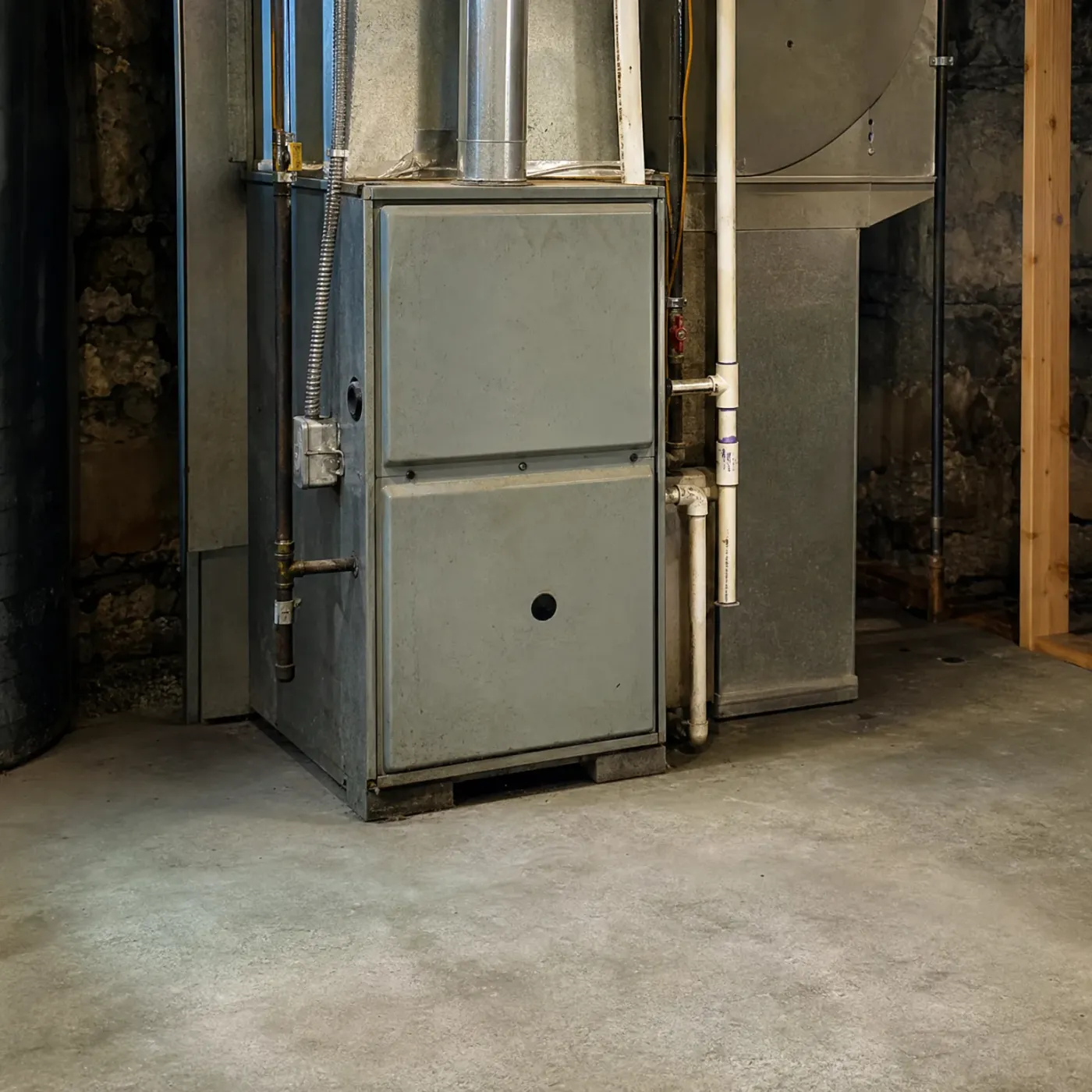
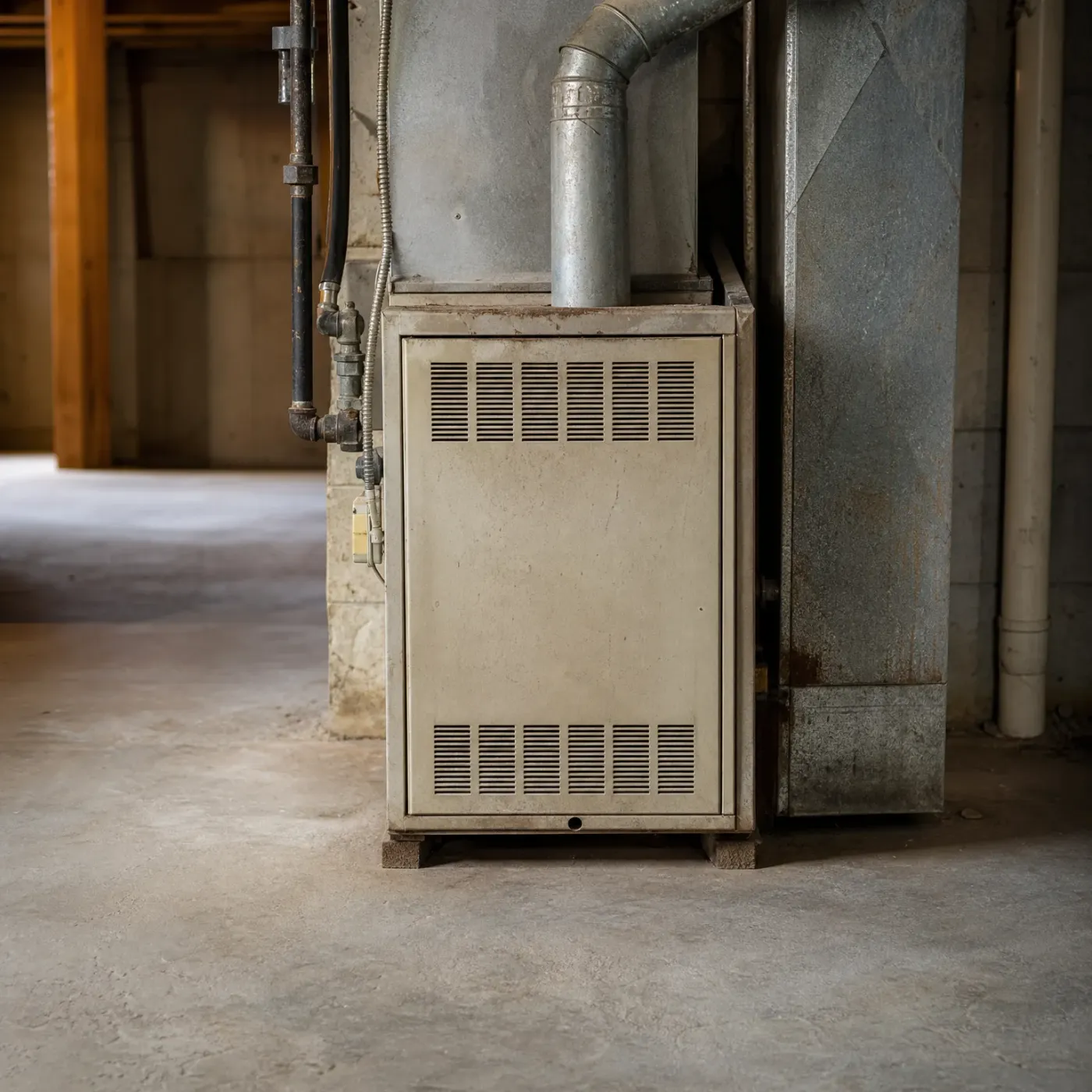
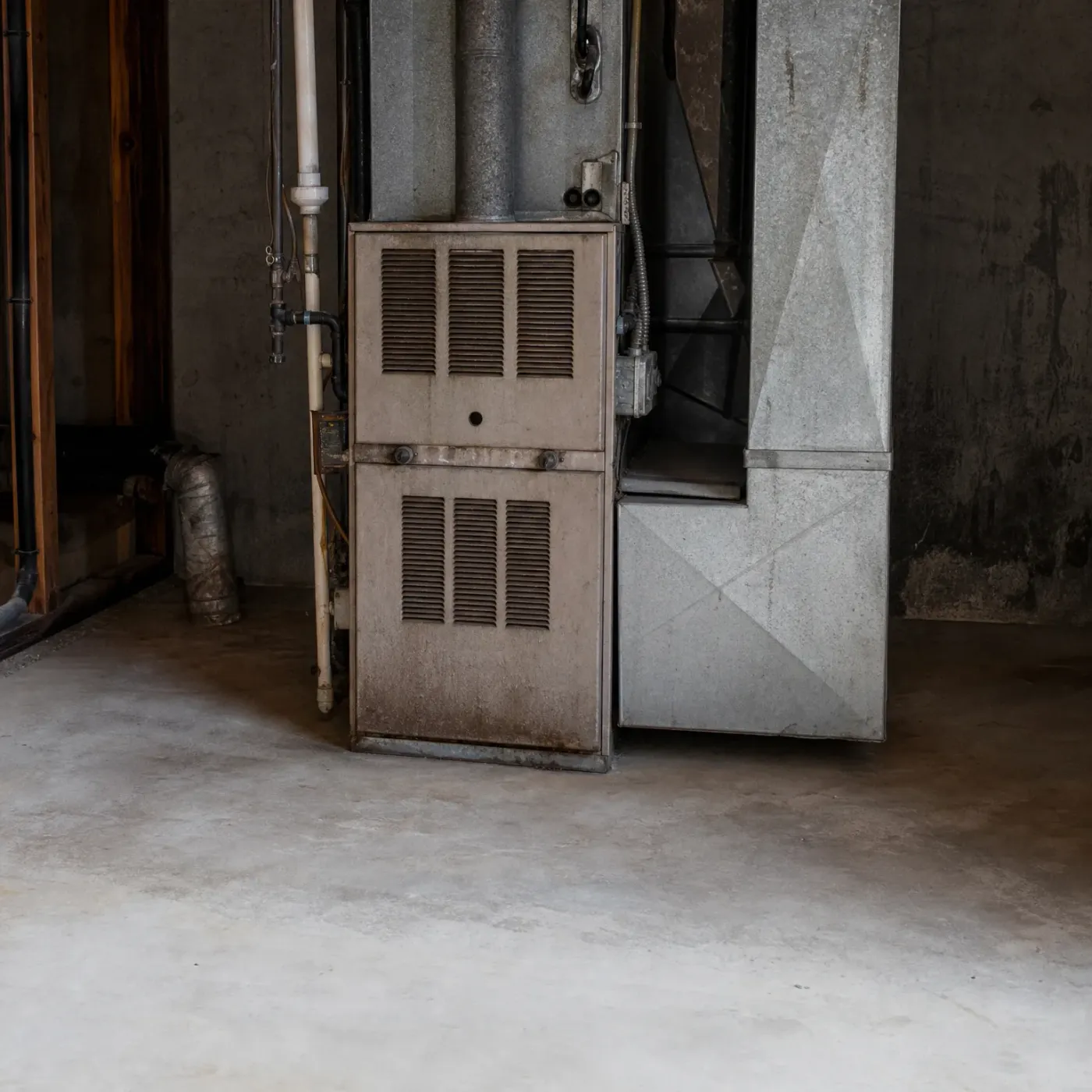
Gas lines and flex tubing crowd an older unit that clicks several times before anything catches, or doesn't catch at all. Soot or a hairline crack is keeping the ignitor from holding current long enough to light the burners.


A failing ignitor almost always comes down to a crack from age or a coat of soot holding heat unevenly across the strip. Neither one fixes itself, and neither one is rare. Washington's cold nights ask a lot of that small part. The furnace cycles on and off for hours to hold the house steady, and every cycle is another swing of heating up fast and cooling down fast. A sound ignitor takes that swing without complaint. One that's already cracked or coated won't take it much longer.
Buying the part yourself can work, but only if it's the right ignitor for your model and it's seated the way that model needs. Get either wrong and it can crack on the first cycle, which means doing the job twice. A tech who works on this equipment all winter has already seen which ignitors give out in homes like yours and why, because it's the same handful of causes showing up again and again in the same brand of furnace.
That's who gets matched to the job. One licensed contractor, local to you, not a handful of companies competing for the callback. They know the model, they carry the right part, and they seat it so it doesn't take on the stress that cracked the last one. Once that's done, the furnace lights the same way every time the thermostat calls for heat, no clicking, no delay, just the burners catching clean.
Your request stays with one local pro.