Quiet airflow, no strain
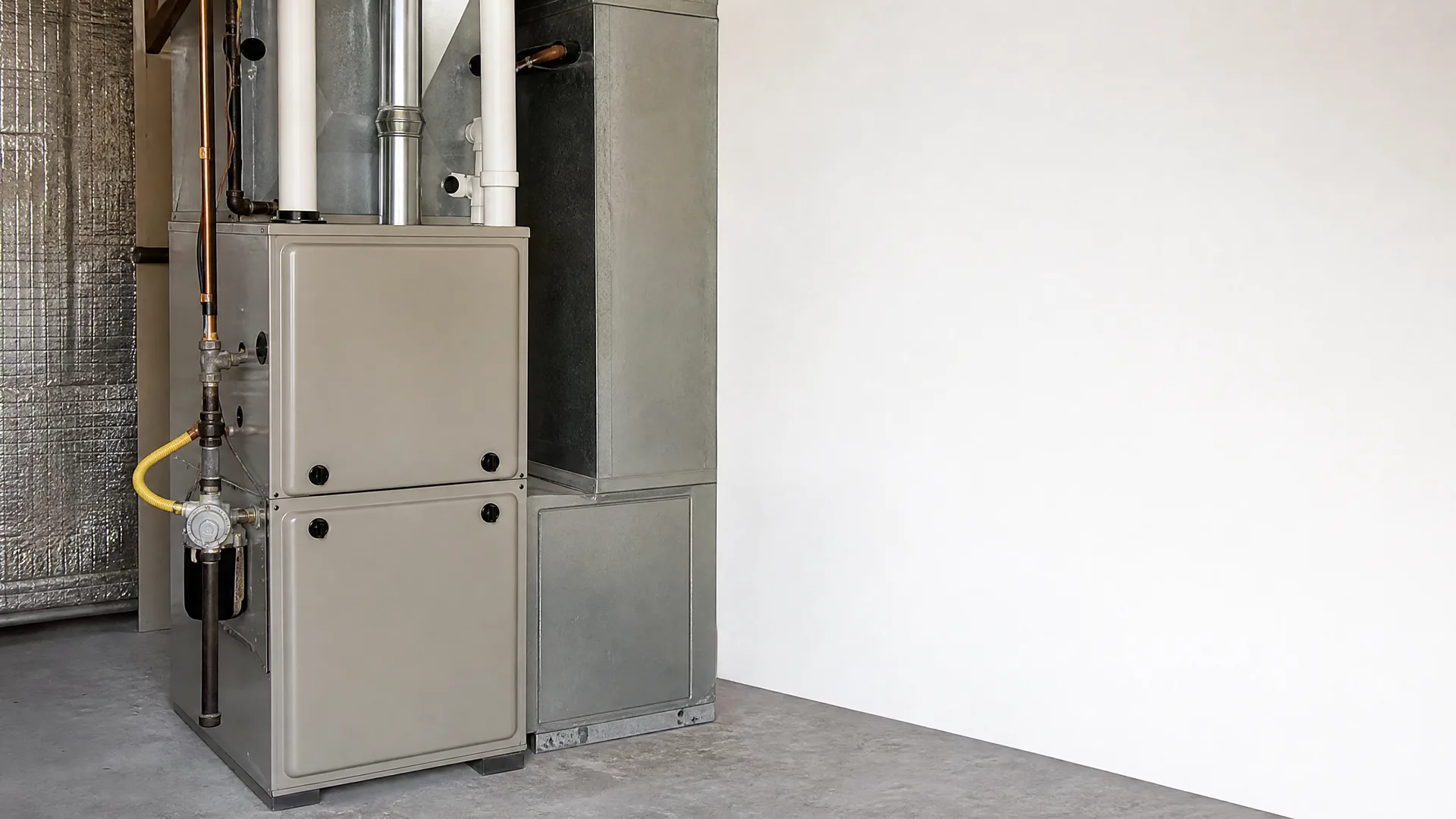
Here the furnace draws air freely through clean ductwork and a clear filter. The blower runs at the speed it was set to, moves the air it was sized to move, and shuts off again without anyone downstairs hearing a thing.
A whistle from your furnace usually shows up on a cold night when the system is running hard and you're sitting in the next room listening to it kick on and off. It's not a sound you can ignore once you notice it, and with most homes here heating on electricity, you're also wondering if that whistle means the furnace is working harder than it should and costing you for it.
The high-pitched sound you're hearing is air squeezing past something narrow: a clogged filter, a closed or blocked vent, or a gap around the filter slot where it isn't sealed tight. Your furnace's blower is built to move air against a certain amount of resistance. When something narrows the path, the air speeds up through that one spot and makes the whistle. A dirty filter is the most common cause, since it blocks more of the opening the longer it goes unchanged. If the sound started suddenly, check for a vent that got closed or furniture blocking a return. Left alone, the blower keeps working against that resistance every time it runs, which is worth paying attention to on an electric system.
A furnace whistles when air is moving through an opening too small for how hard the blower is working. A clogged filter is the usual cause, but a closed vent, a blocked return, or supply ducts that are too narrow for the system can do the same thing. The sound is the air itself, forced through a tight gap, not a part grinding or failing.
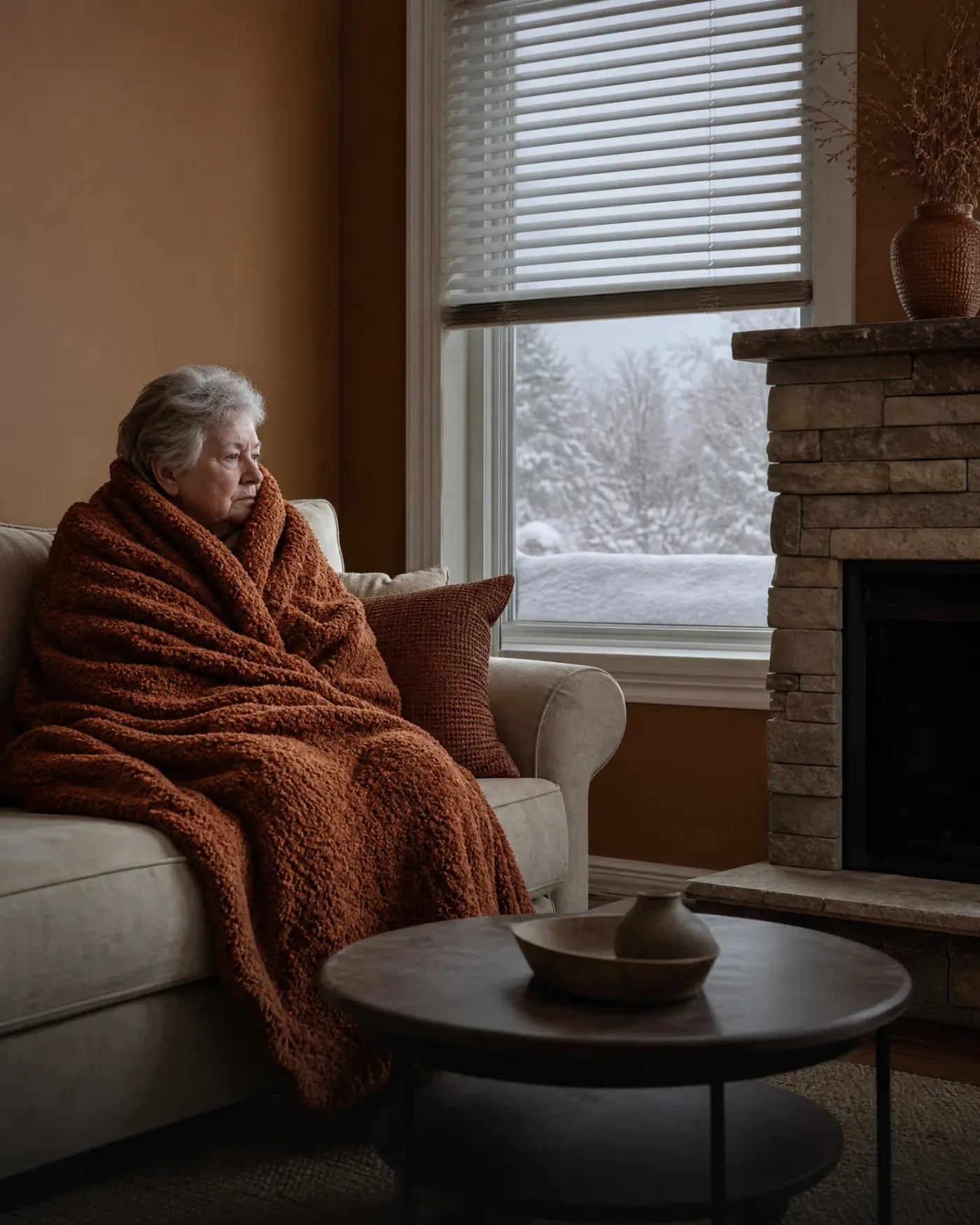
On the coldest nights, your furnace runs longer stretches and the blower pushes harder to keep up. Electric furnaces are common in Washington, and electric heat moves a steady volume of air whenever it runs. If airflow is already restricted, that extra demand is what turns a faint whistle into one you notice from the next room.

With electric heat running most nights through a Washington winter, a furnace that's working against a clogged filter or a closed vent stays on longer to get the house to temperature. You'll likely notice it on the power bill before you notice anything else, since power here is cheap but a blower that won't stop still adds up over a season. The whistle is the system telling you it's straining, not an emergency, but it doesn't fix itself.
Left alone, the extra strain tends to land on the blower motor, which is the more expensive part to replace. Finding someone to look at it usually means searching around, calling a few places, explaining the same whistle over the phone more than once, then sorting through quotes that aren't quite comparable. A local contractor who works on furnaces all winter has usually heard this exact sound before and knows where to check first.

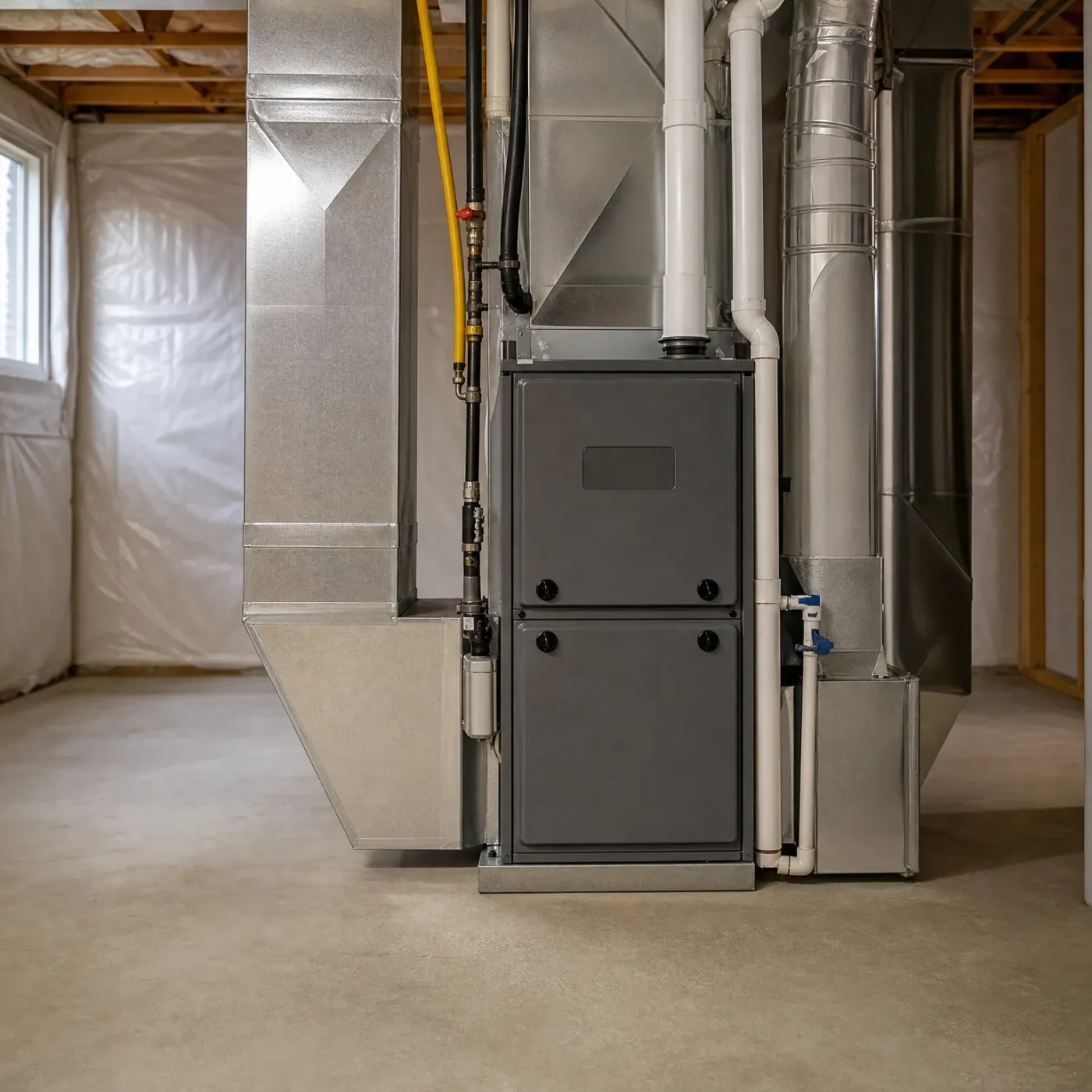
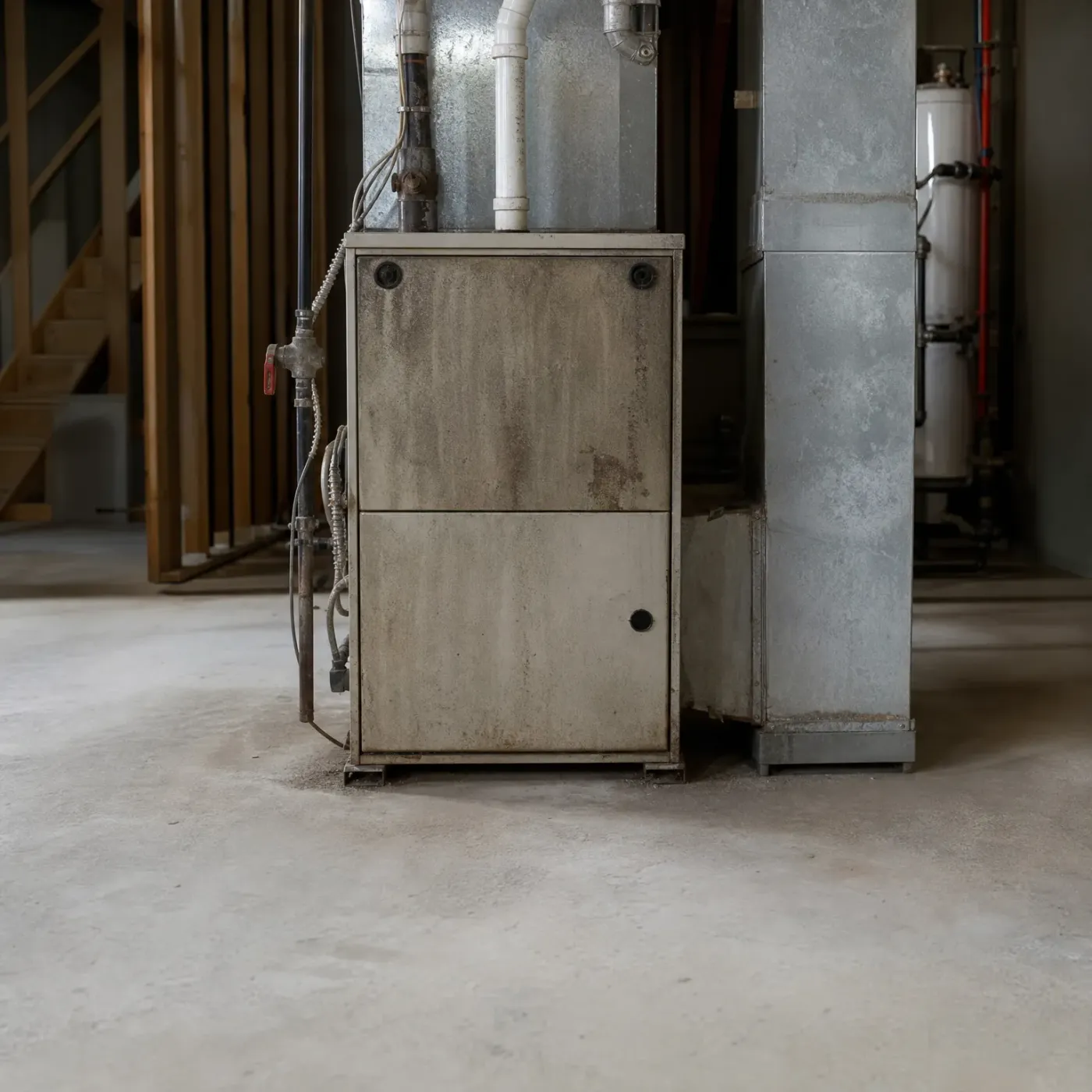
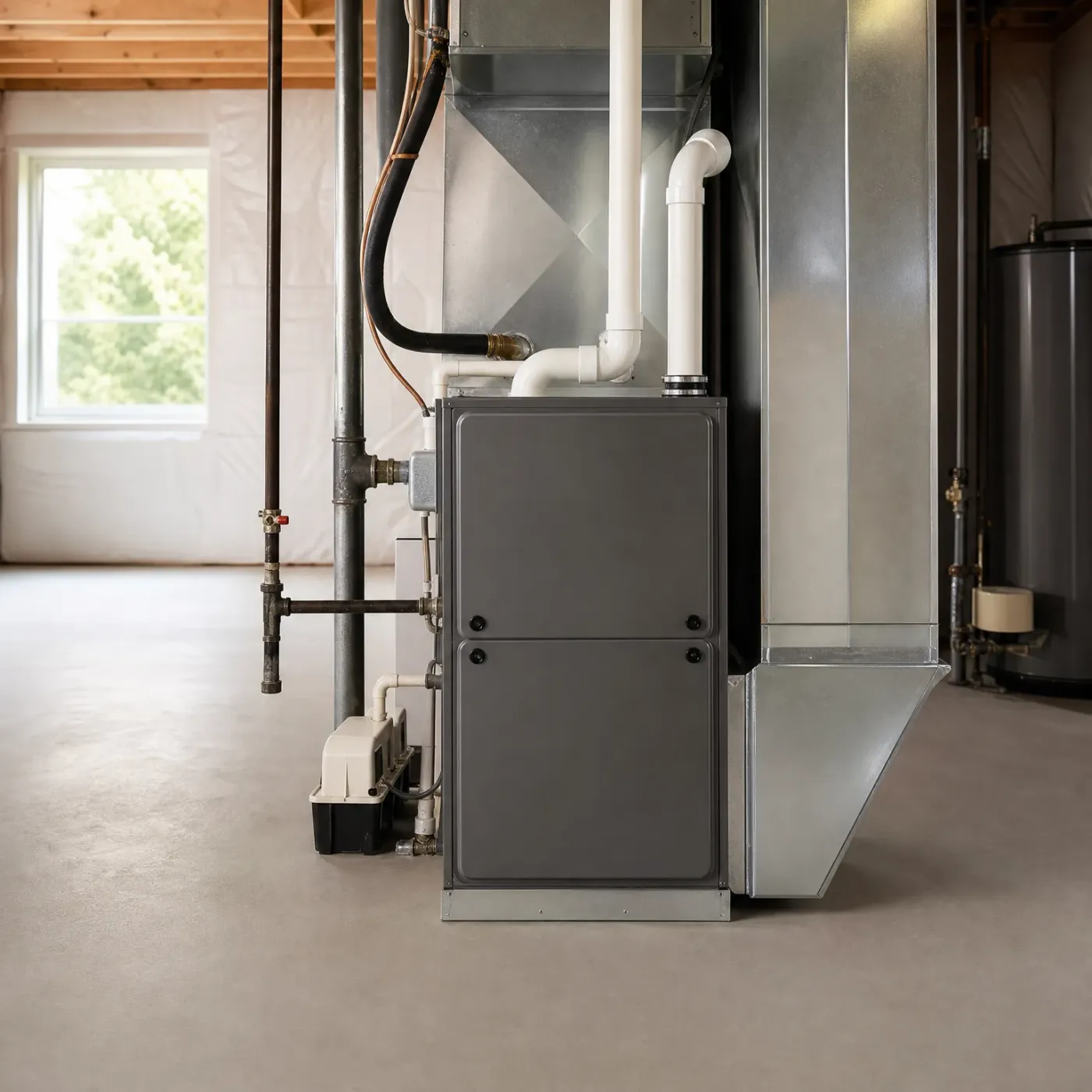
Here the furnace draws air freely through clean ductwork and a clear filter. The blower runs at the speed it was set to, moves the air it was sized to move, and shuts off again without anyone downstairs hearing a thing.
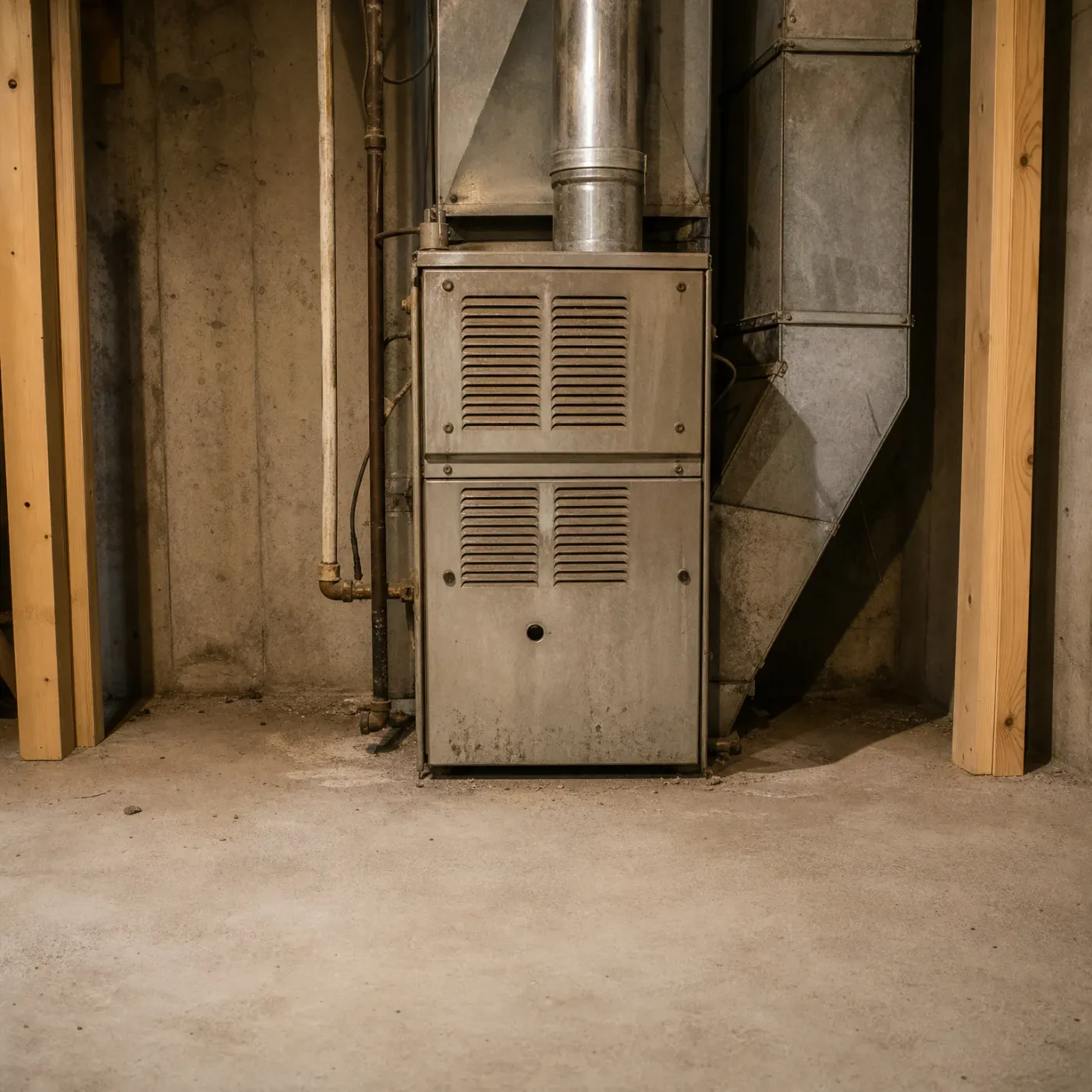
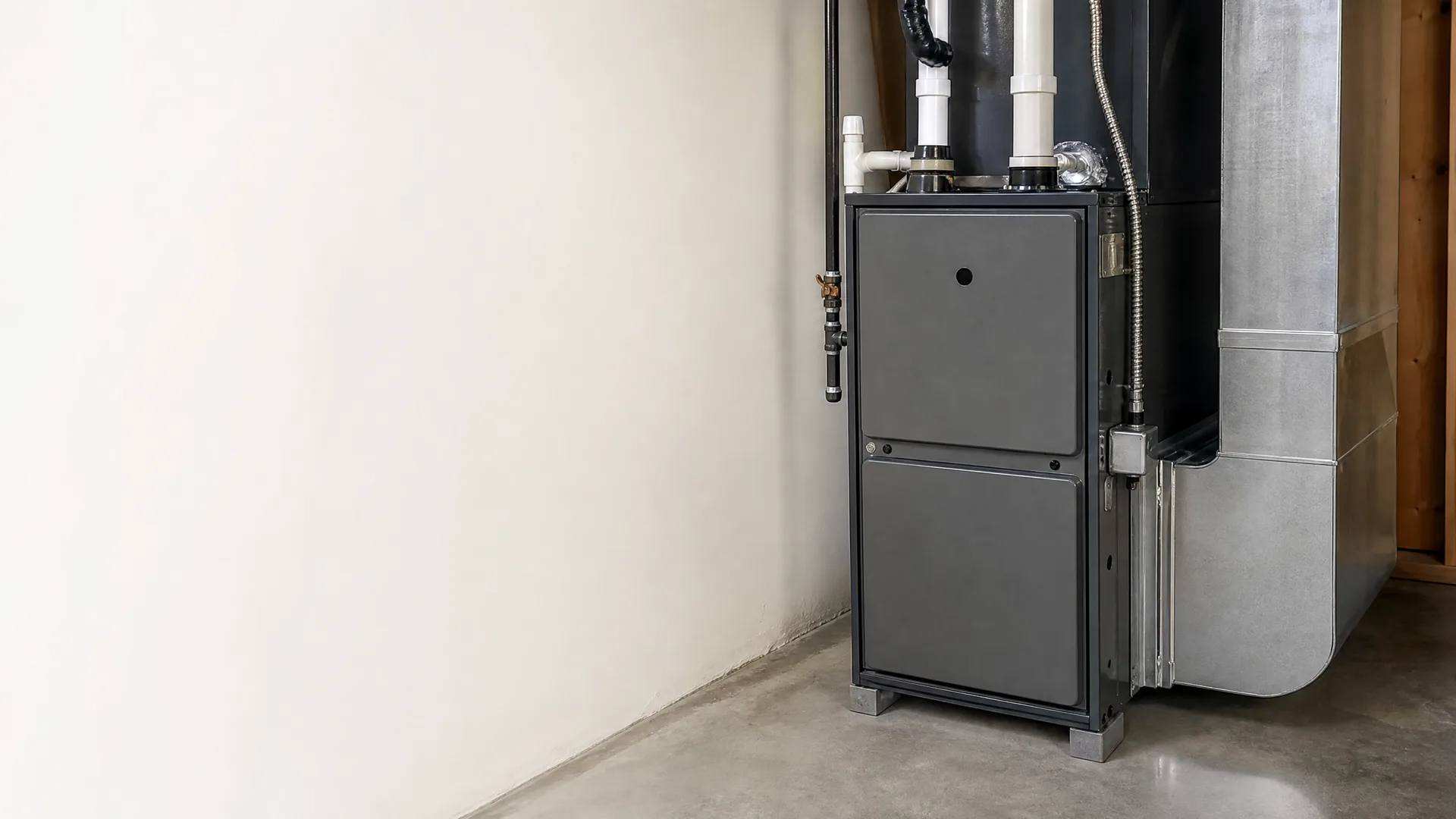
This one has sat under dust for a while, pulling air through a filter or a duct that's narrower than what it needs. The whistle is the sound of the blower pushing harder to make up the difference, and it will keep doing that until something opens back up.




A whistle that keeps coming back on a furnace that runs most winter nights isn't something to leave alone until it stops, because it won't stop on its own. Finding out whether it's a filter, a closed vent, or ductwork that's too narrow for the blower means someone looking at your actual system, not guessing from a description over the phone. That's the part that usually eats the evening: searching for a contractor who works on furnaces in Washington, calling a few, explaining the whistle and when it happens to each one, then waiting on quotes to compare before anyone's even looked at the unit. Asking here sends your request to one local contractor who already works on furnaces like yours through winters like this one, and knows what tends to cause that sound before they even open the panel. No flood of calls from companies bidding against each other, just the one who can actually get to your furnace and figure out what it's straining against.
The furnace keeps kicking on through the night, working against whatever is choking its airflow. It runs longer to make up the difference, and on electric heat that shows up on the bill before anyone tracks down why. The blower motor and the inducer are both working harder than they were built for, night after night, for as long as the restriction stays in place. Nothing about a closed vent or a clogged filter fixes itself over a Washington winter. The sound might fade in and out depending on how hard the system is pushing, which makes it easy to put off, but the strain underneath it doesn't let up just because the whistle does.
A local contractor who works on furnaces all winter can usually place a whistle fast, because they've heard it before in houses like yours. A filter, a closed vent, a blocked return, ductwork too narrow for the blower, each has its own pitch and its own fix. Once it's found, the furnace stops fighting itself every time it cycles on. You skip the part where you'd otherwise be calling around, describing the sound to three different companies, and sorting through quotes that don't agree with each other. One contractor, already familiar with this kind of system, looks at it once and tells you what's actually going on.
Nights here sit around 30°F on average through December, January and February, so your furnace is working on the coldest nights for most of the winter, not just a few. That's a long stretch for a blower to be pushing against a clogged filter or a closed vent. Over that many nights, the strain finds the weak spot first.
NOAA nClimDiv 1991-2020 county normals weighted by homes
The blower pulls air across the heat exchanger and pushes it out through the supply ducts, and the whole system is built around a certain amount of air moving through in a certain amount of time. Squeeze that air through a smaller opening, whether it's a dirty filter, a closed vent, or a duct that was never sized right, and the air speeds up the way it does through a thumb held over a hose. That faster air hits the edges of the restriction and sets them vibrating, and that vibration is the whistle you're hearing, not the motor itself straining. The blower doesn't know the air is choked off. It just keeps turning at the speed it's set to, trying to move the volume of air it was built to move, so it holds that pitch steady for as long as the furnace runs. Once whatever's narrowing the path gets cleared or opened back up, the air slows back down to where it moves quietly, and the sound stops with it.
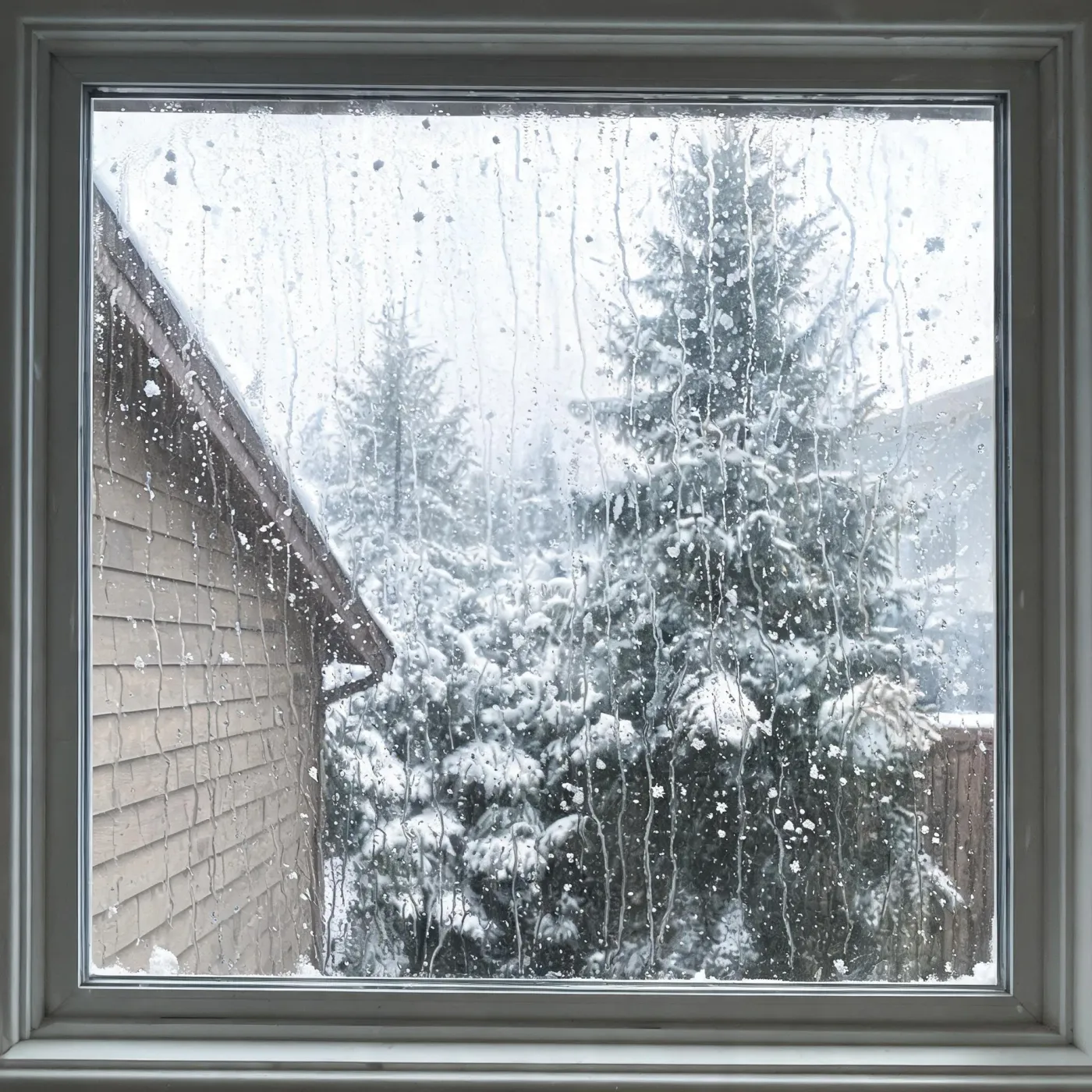
Statewide, winter nights average 30°F, according to NOAA climate data. That's below freezing for most of the night, every night, from December through February. Your furnace isn't cycling on for an hour here and there. It's holding that temperature for long stretches at a time, which means the blower spends more hours pulling air through whatever filter or vent is giving it trouble. A whistle that's barely noticeable on a mild evening gets harder to miss once the system is running flat out just to keep up with a 30-degree night outside.
NOAA nClimDiv 1991-2020 county normals weighted by homes


A whistle is air pushed through an opening smaller than the blower expects, and that's true whether the cause is a dirty filter, a closed vent, or ducts that were never sized right for the system. Nothing about that gets better on its own. The furnace keeps running the same cycle, working harder each time to reach the same temperature, and with most houses here heating on electric, that extra work lands on the bill before anyone's traced it back to the cause.
Finding the cause means someone looking at the filter, the vents, and the ductwork itself, and knowing which of those to check first matters. A contractor who works on furnaces through a Washington winter has seen this before. They know a whistle this time of year is rarely one odd case. It's the blower pushing against something, and they know where to look first because they've found it before in houses running the same kind of system through the same cold nights.
That's what you get with one contractor on the call instead of several. No explaining the whistle again to a second company, no comparing one quote against another while the furnace keeps running the way it has been. Someone local, licensed, who knows this equipment, looks at your system and tells you straight what's choking the airflow. Once that's fixed, the furnace goes back to pulling air the way it was built to, and it shuts off again without anyone downstairs noticing it was ever running.





The pro who reaches out is licensed in Washington.
Sending the form costs nothing.