 Get my match
Why your house is dry with the heat on in Washington
A local pro who services furnaces gets in touch about the tune-up.
Cold air can't hold much moisture, and most houses in Washington heat with electricity, so once that furnace kicks on, the air inside dries out fast. You notice it in your skin, your sinuses, the static when you touch a doorknob. The wood floors and trim can dry out too. This isn't a sign anything's broken. It's just what happens when outside air that's already low on moisture gets heated and pushed through your house all winter.
What matters is whether your furnace is set up to handle that, and whether anything in the system is making the dryness worse than it has to be. A dirty filter, a duct leak, a blower that's running longer than it should to hit the thermostat setting, any of these can push the air drier still. Someone who works on furnaces in Washington homes every winter has seen which of these show up most, because the dry-air complaint is a regular one here.
That's the kind of thing that gets caught during a maintenance visit, not guessed at over the phone. A technician who's local and licensed, and who services this kind of equipment all season, can look at your specific furnace and tell you what's actually going on with it rather than what's generally true of furnaces.
If you request a match here, it goes to one contractor who covers your area, not a handful of companies competing for the job. That contractor reaches out to you directly about your furnace and your house. Nothing about what they'll find is promised ahead of time. What they can do is take a real look and tell you where things stand.
If the dry air in your house is more than you want to live with this winter, the next step is below.
Cold outside air holds very little moisture to begin with, and your furnace heats that air without adding any back, so the warm air moving through your house is drier than the air outside it. A furnace doesn't remove humidity the way an air conditioner does, but heating already-dry winter air pushes the relative humidity inside down further, often well below what feels comfortable. That's why you feel it in your throat first thing in the morning, or see it in cracked skin and more static than usual. It also shows up in the house itself, in gaps that open up in wood floors or trim as the wood gives up moisture to the air around it. None of this means anything is wrong with the furnace. It's doing what it's built to do. The fix isn't the furnace at all, it's adding moisture back into the air, which is where a humidifier matched to your system and your home comes in.
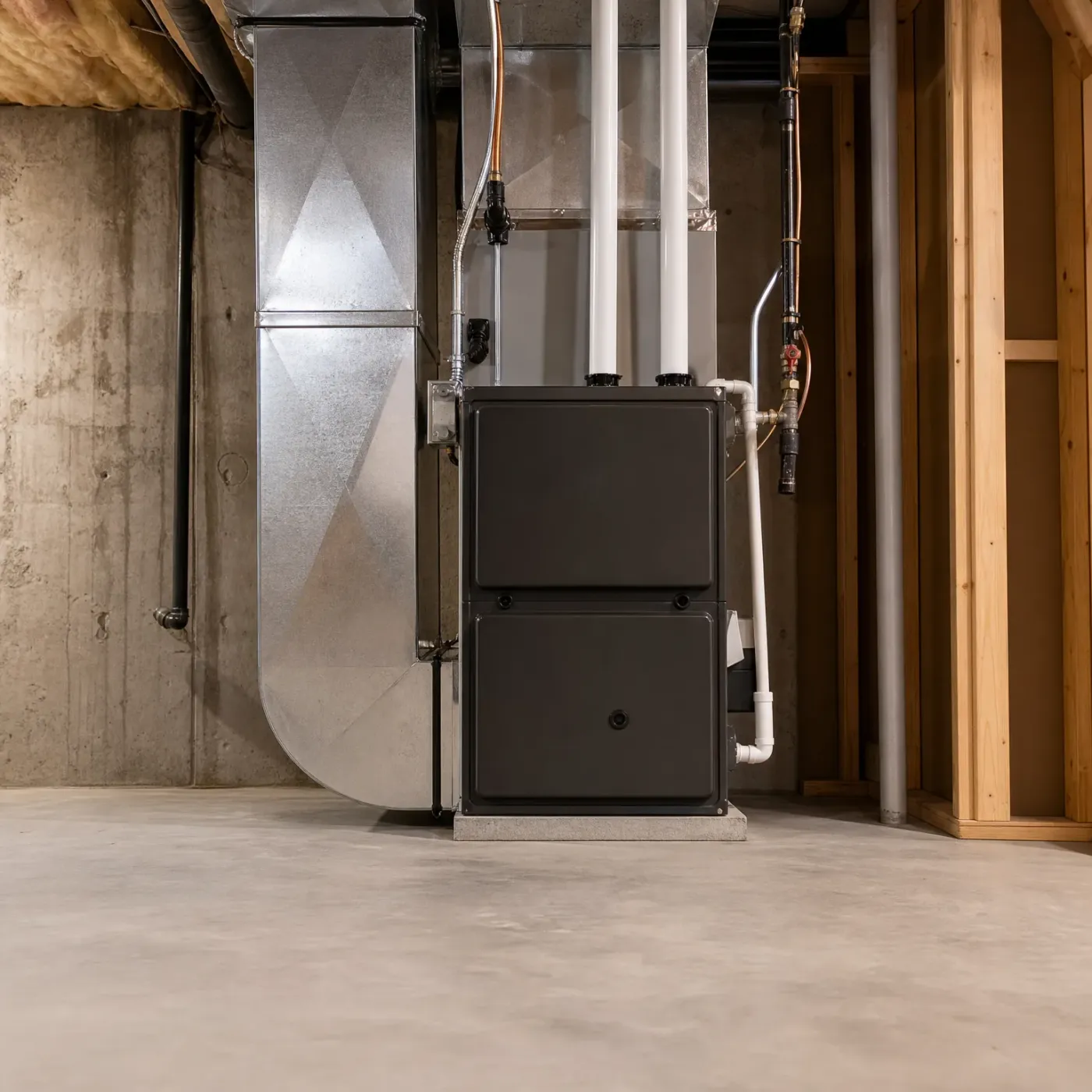
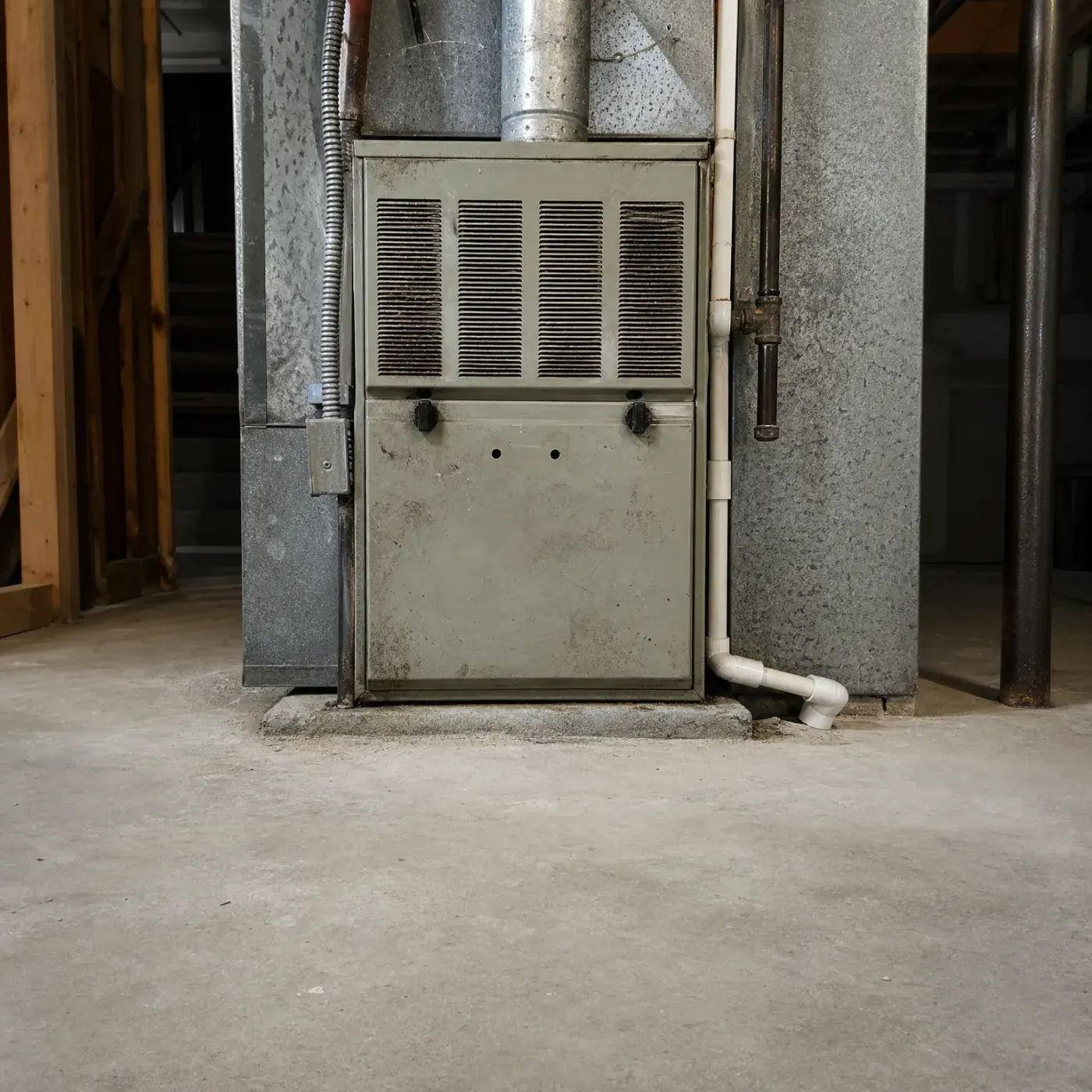
Your furnace isn't bringing in outside air. It's pulling the air already inside your house, heating it, and sending it back through the same ducts, over and over. With an electric furnace there's no flame involved, just a coil or heating strip, so there's nothing in the process that puts moisture back into that air. Each cycle just reheats the same dry air and pushes it out again, which is why a house can feel drier the longer the system runs. A dirty filter adds to this, not because it dries the air itself, but because the blower has to work harder to move the same air through it, stretching out how long each cycle runs. And because power is cheap here, it's easy to leave the thermostat set higher or run the furnace longer than you need to, which just pulls more moisture out of the rooms. A whole-house humidifier is built into the ductwork for this reason. It adds water vapor to the air as it moves through, something the furnace was never built to do on its own.
How your furnace dries the air
- Your furnace pulls air from inside the house, heats it, and pushes it back through the same ducts, so no outside moisture ever enters the cycle.
- Electric furnaces heat with a resistance coil or heat pump strip, not a flame, so there's no combustion byproduct adding any humidity to the air.
- Each time the thermostat calls for heat, that same dry air gets reheated and recirculated, so the dryness compounds the longer the system runs.
- A dirty filter makes the blower work harder to push the same volume of air, which doesn't add moisture but does stretch out each heating cycle.
- Because Washington power is cheap, many homeowners leave the furnace running longer or set the thermostat higher, which only pulls more moisture out of the air.
- A whole-house humidifier ties into the ductwork and adds water vapor back into the air stream before it reaches the rooms, something the furnace itself can't do.




A local pro for your furnace maintenance
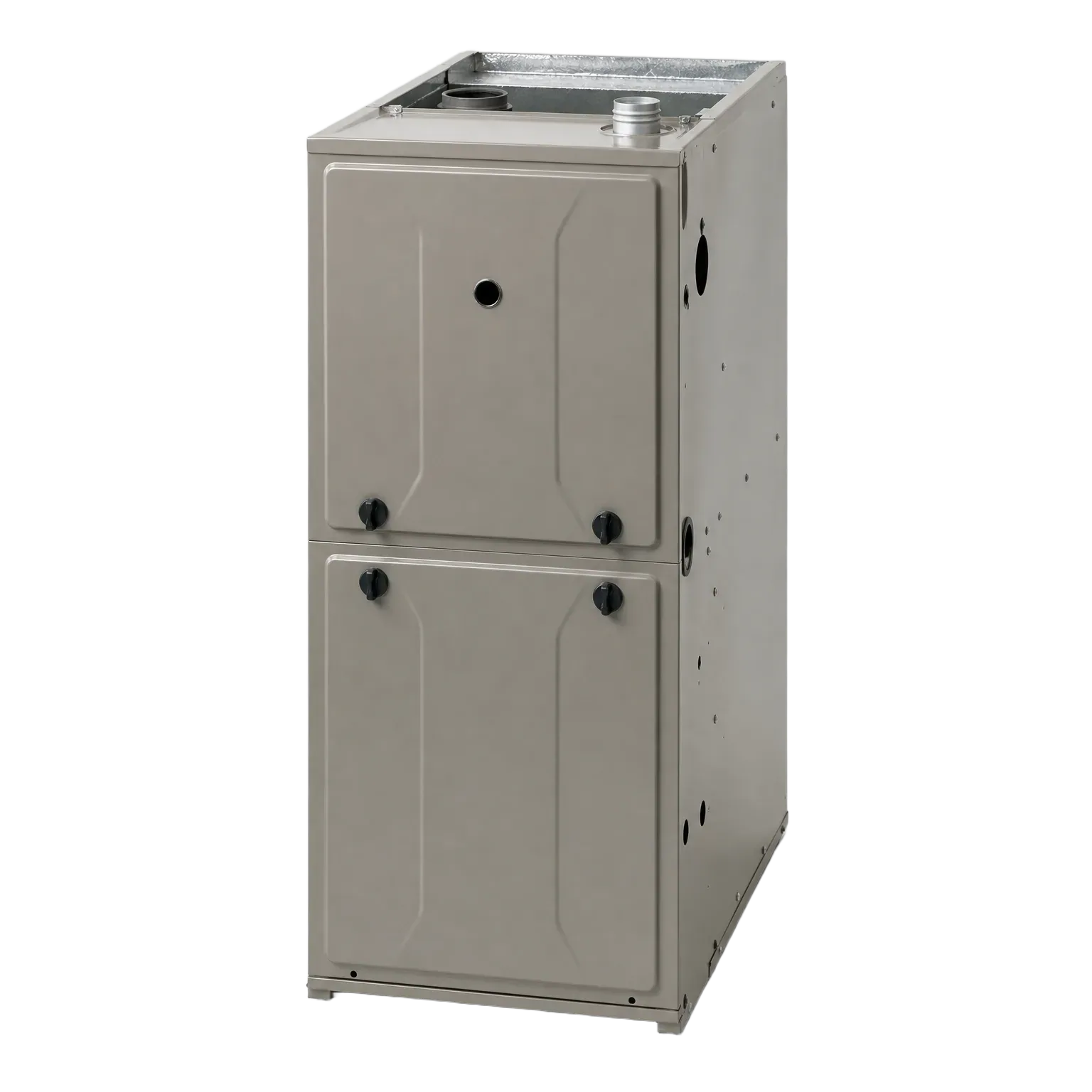
A licensed local pro takes the request for your furnace tune-up.
There's no charge for the request.
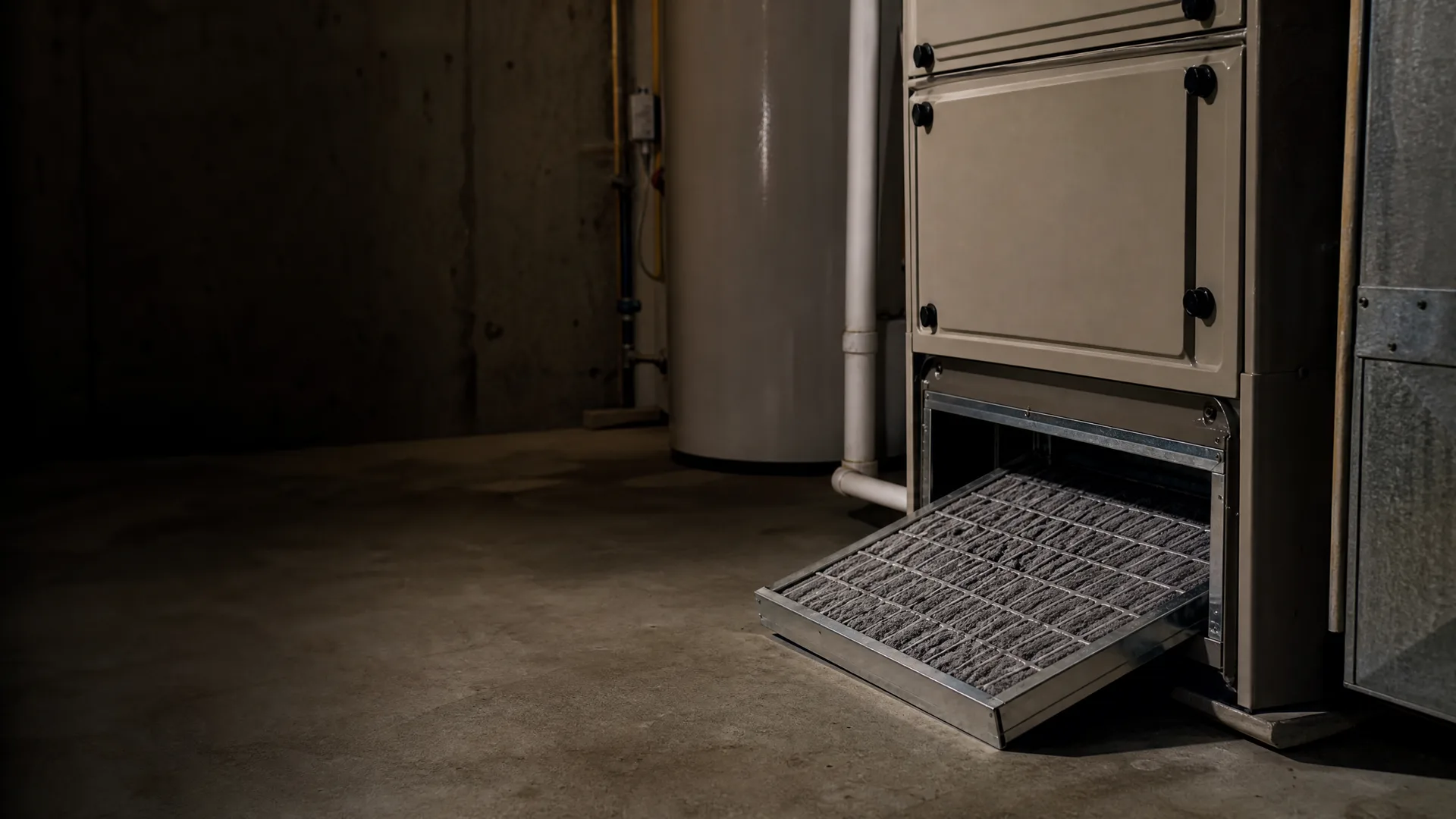
You're down in the basement on a Saturday afternoon, the light coming in low through the one window near the ceiling. The furnace has been running most of the day, keeping up with the first real cold snap. You pull the filter out to check it, and it slides halfway before you stop, grey with dust all the way through. Your hand feels dry just from the air down here. You rub your thumb across the filter and a little cloud of it lifts off. You set it on top of the furnace and stand there a second, thinking you'll need a new one before the week's out, and wondering what else back here hasn't been looked at in a while.
Is the dry air in your house actually a problem
You wake up with a dry throat, or your nose feels raw by midmorning. Lips chap. Static shocks you every time you touch a light switch. Look closer and you'll see it in the house itself: a gap opening up between hardwood boards, trim pulling away from the wall where it used to sit flush, a door that used to latch easily now sticking in its frame. Wood shrinks as it gives up moisture to the dry air around it, and in a house heated all winter with electric resistance or a furnace, that drying doesn't let up until spring. Left alone, it's gaps and cracks in wood that was fitted tight, and a house that feels less comfortable than it should for what you're paying to heat it.
Where the moisture actually goes
A gallon of water sitting out in a warm, dry room will evaporate into the air days faster than the same water in a cold room. Your house works the same way. Once the furnace brings the air up to 70 degrees or so, anything wet in the house, laundry on a rack, a damp towel, the soil in a houseplant, gives up its moisture into that air faster than it would in summer. The furnace isn't pulling water out of anything. It's just making the air thirsty enough to take it.
Why a tuned furnace helps some
A furnace that cycles on and off in short, even bursts moves air through the house at a steady pace. One that's been neglected, with a dirty filter or a flame sensor that's fouled, tends to run longer stretches to reach the same temperature on the thermostat. More hours of operation means more hours of that dry air circulating. It won't put moisture back into the air, but a furnace that isn't overworking itself will dry the house out more slowly than one that's straining to keep up.
Winter nights average 30°F statewide
A 30°F night means your furnace isn't cycling on and off, it's running long stretches to hold the house at temperature. Longer runtime pulls more moisture out of the air with nothing putting it back, which is why the dryness builds through the night and you feel it most by morning.
NOAA nClimDiv 1991-2020 county normals weighted by homes



Dry air is just what heat does here
Your furnace isn't broken because the air in your house is dry. That's what happens when electric heat runs through a Washington winter. The fix isn't the furnace fighting less. It's the furnace running the way it's supposed to, so it isn't adding its own problems on top of what the season already does.
A filter that's clogged or a heat exchanger that's cracked changes the air quality in ways a thermostat won't show you. That's the kind of thing a local contractor checks in a maintenance visit, someone who services this equipment all winter and knows what tends to go wrong first in a house like yours. Get matched with one who works in your area, and they'll reach out to look at your system directly.

Get the right pro for your furnace
Only one pro gets your request, so you hear from one company.