Tell us about the job
Takes about a minute. No obligation.
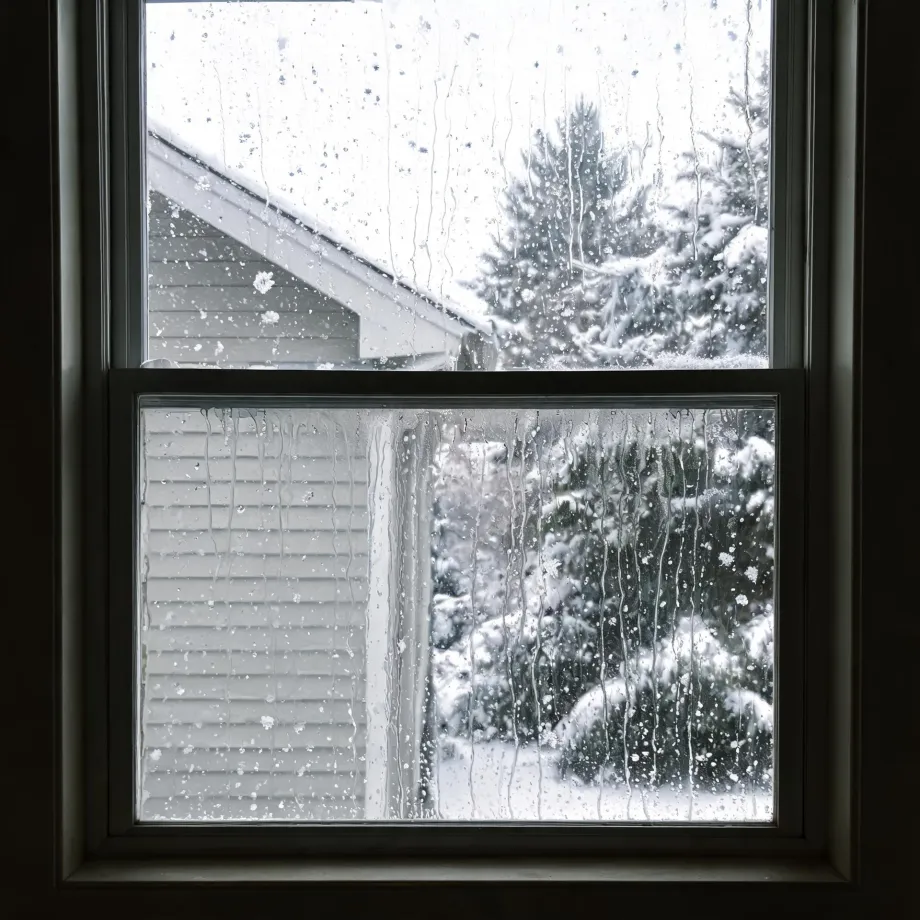
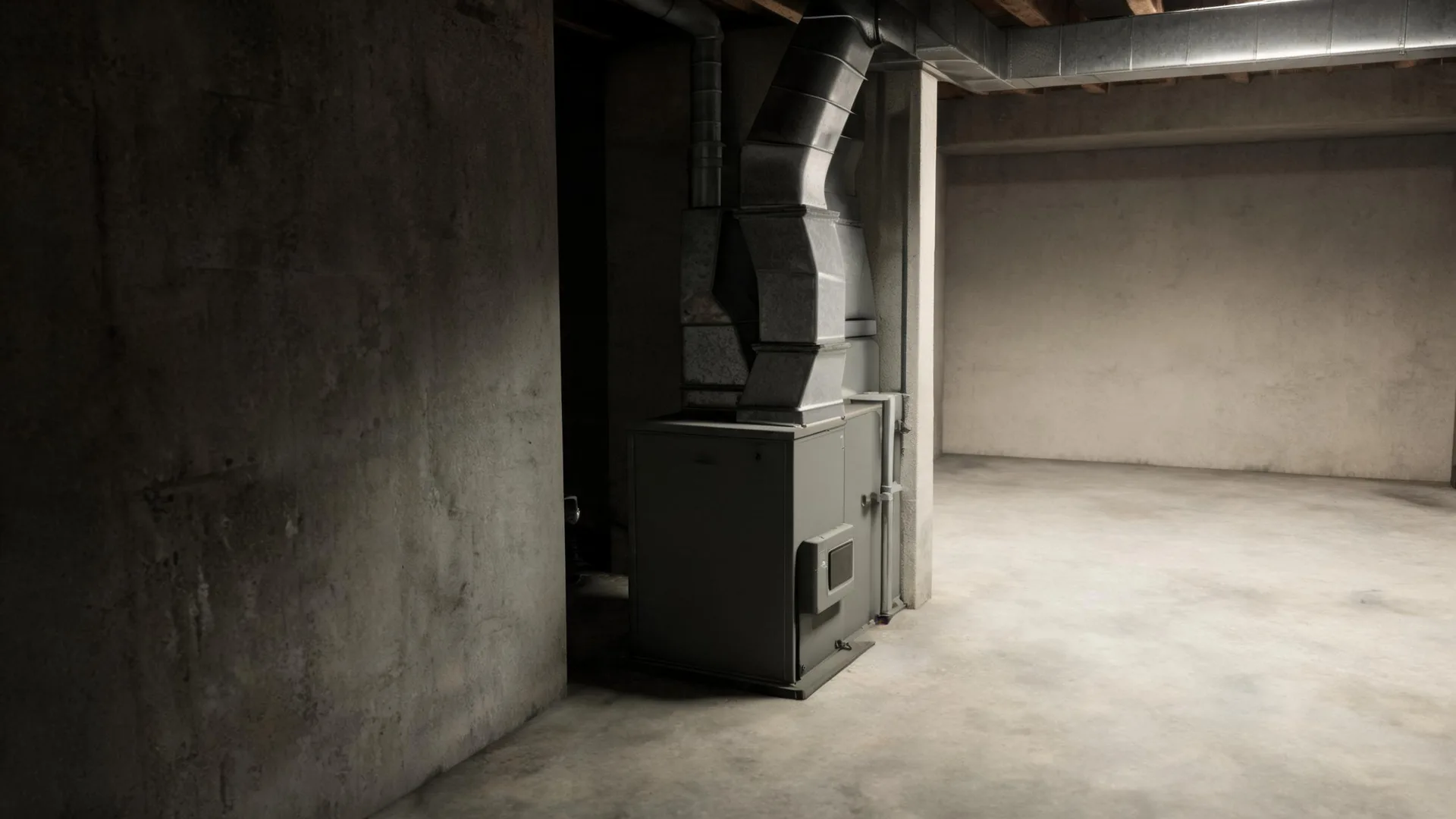
A furnace repair in Franklin County starts with the burner assembly and ignition system, because those are the parts that cycle every time the heat kicks on. Homes in Franklin County, WA run heat about eight months a year, from October through May. That kind of sustained cycling wears the igniter, the flame sensor, and the heat exchanger incrementally, and a contractor diagnosing a fault here checks those first before pricing anything else. A system that has been short-cycling, or running at the edge of its capacity, shows the damage in those components sooner than it shows anywhere else.
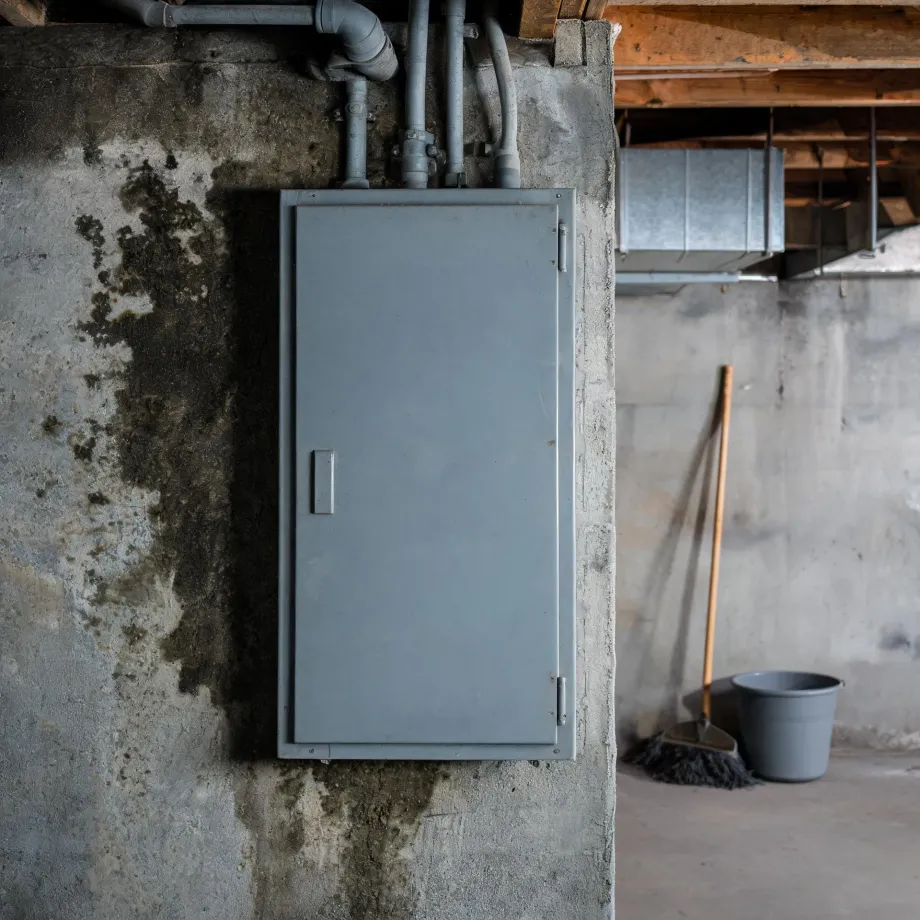
Half the homes in Franklin County, Washington were built in 1997 or earlier (2020-2024 ACS 5-year). For a furnace repair in this county, the house itself is unlikely to be where the job gets complicated. The ductwork and electrical in stock of that vintage were sized for systems close to what most of these homes run today, which means a contractor opening a furnace here is looking for answers inside the unit, not behind the walls. What they find there, and whether the parts that system takes are still in supply, is what drives the repair scope and the bill.
The Parts of a Furnace a Contractor Checks First
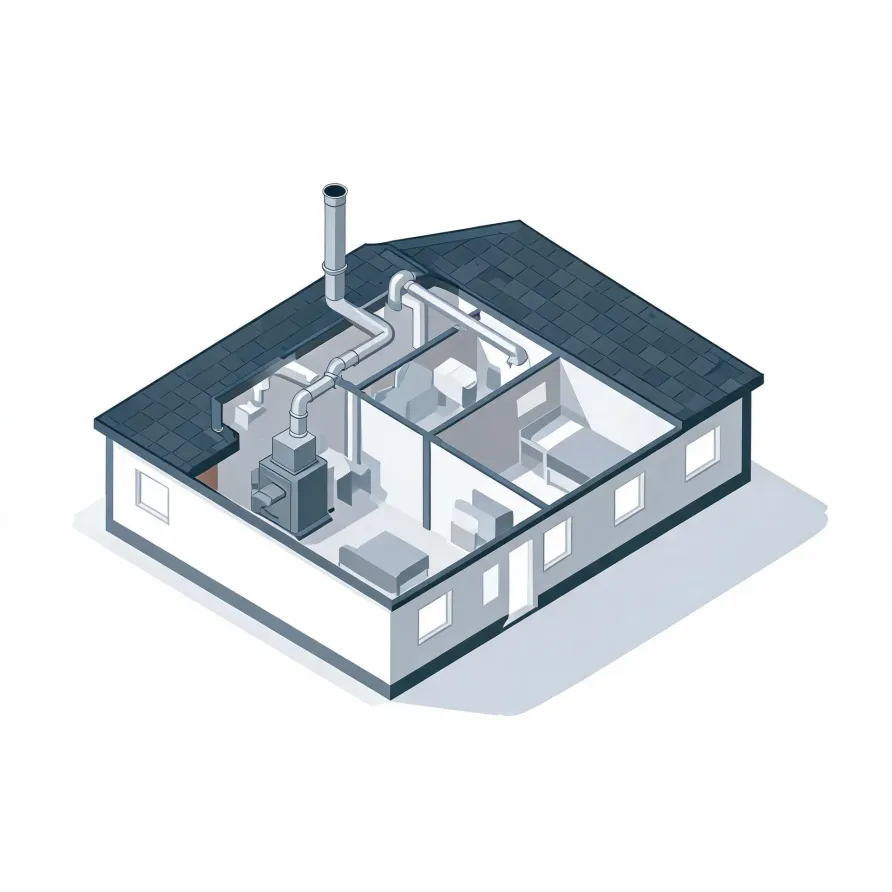
The furnace itself sits in the basement, utility room, or closet and is the piece a contractor goes to first. Inside it, the heat exchanger is what a contractor reads most carefully during a repair call. Cracks or failures there affect both heat output and air safety, so it draws immediate attention.
The blower motor moves conditioned air from the furnace into the duct system and is a common source of airflow complaints. The flue or exhaust vent runs from the furnace to the outside and is checked for blockage or damage that would stop combustion gases from clearing the house. The thermostat, mounted on a main living-area wall, tells the furnace when to fire and is often where a contractor starts to rule out simple faults before opening the unit.
The drawing shows a typical furnace layout, and a licensed contractor determines which components apply to your specific system and home.
Find a contractor in Franklin CountyFranklin County, Washington, by the numbers
40 severe weather events were recorded in Franklin County, Washington between 2015 and 2024.
NOAA National Centers for Environmental Information, Storm Events Database, bulk CSV export, events 2015-01-01 through 2024-12-31.Half the homes in Franklin County, Washington were built in 1997 or earlier (2020-2024 ACS 5-year).
U.S. Census Bureau, 2020-2024 American Community Survey 5-Year EstimatesFranklin County, Washington holds 31,183 housing units (2020-2024 ACS 5-year).
U.S. Census Bureau, 2020-2024 American Community Survey 5-Year EstimatesOwners occupy 71.0% of the occupied homes in Franklin County, Washington (2020-2024 ACS 5-year).
U.S. Census Bureau, 2020-2024 American Community Survey 5-Year EstimatesFurnace Repair Rules & Codes for Franklin County, Washington5 sourced standards and regulations
What happens when a contractor comes out to your home
Non-weatherized gas furnaces manufactured on or after November 19, 2015 must reach 80.0 percent AFUE.
Non-weatherized oil-fired furnaces manufactured on or after November 19, 2015 must reach 83.0 percent AFUE.
Mobile home gas furnaces manufactured on or after November 19, 2015 must reach 80.0 percent AFUE.
Non-weatherized gas furnaces manufactured on or after December 18, 2028 must reach 95.0 percent AFUE, up from the 80.0 percent minimum that applies to units manufactured before that date.
What Franklin County, Washington Requires for HVAC Repair
Washington requires contractor registration rather than an HVAC licence: every contractor must register with the Department of Labor and Industries, and advertising, bidding or working as a contractor without that registration is a gross misdemeanour.
Severe Weather Events in Franklin County
Extreme weather puts real stress on furnace equipment, pushing it harder and wearing components faster. How often that happens in Franklin County shapes what local repair work actually looks like.
40 severe weather events, 2015–2024. Source: NOAA National Centers for Environmental Information, Storm Events Database.