Tell us about the job
Takes about a minute. No obligation.
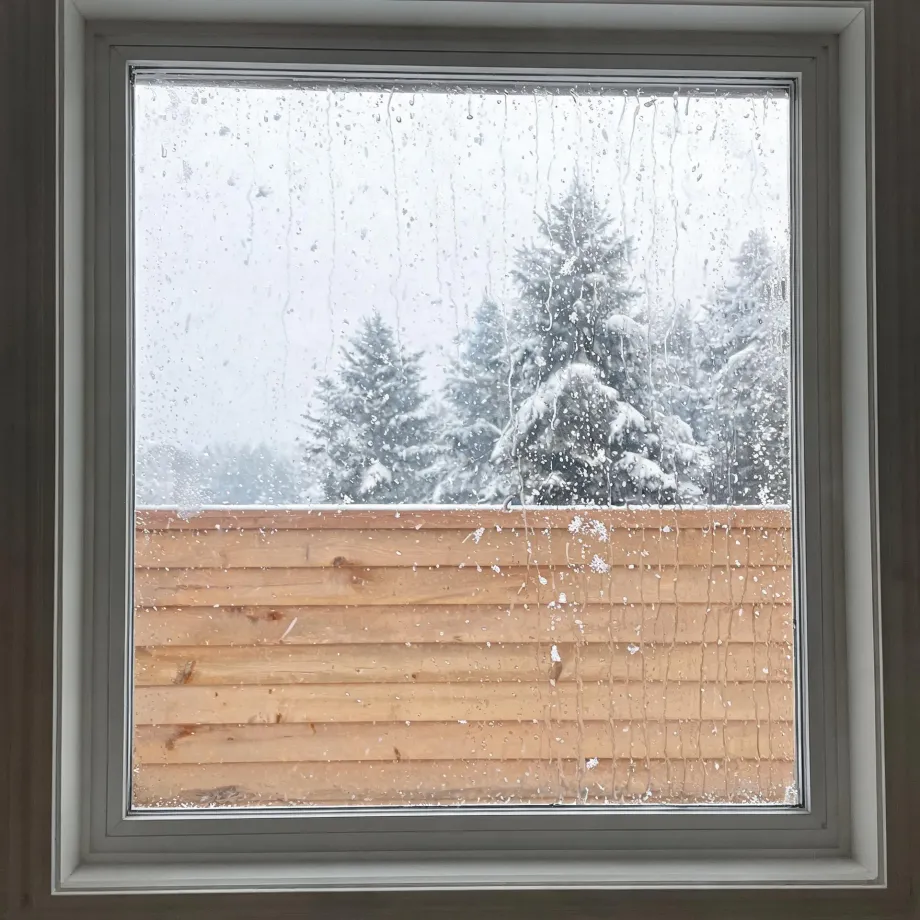
Sizing a furnace for Whitman County is not a calculation a contractor runs once and files away. Homes in Whitman County, WA run heat about nine months a year, from September through May. The burner, the heat exchanger, and the ignition system carry that load month after month, and a unit that was undersized at install or sealed up with duct leaks has nowhere to hide it. A contractor quoting a new furnace here has to establish the correct heat load for the house before anything else, because an undersized unit does not just run longer in February; it degrades faster across every season it serves.
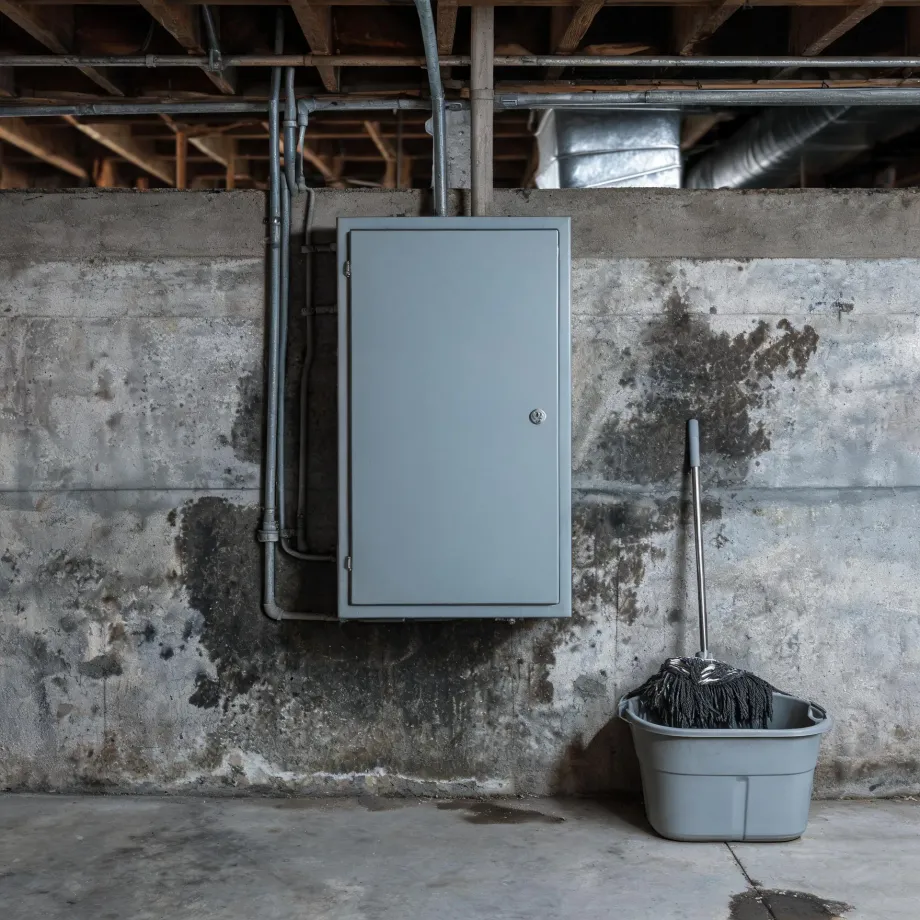
Ductwork laid down for a furnace that has long since been replaced does not always move the air volume a new unit needs. Half the homes in Whitman County, Washington were built in 1977 or earlier (2020-2024 ACS 5-year). That spread across the county's housing means a contractor sizing a new furnace has to assess what the existing trunk lines and branch runs can carry before anything else. If the ductwork restricts flow, the new unit underperforms regardless of its output rating. The electrical service matters too, but duct capacity is what determines whether the installation is straightforward or not.
What a Furnace Installation Covers
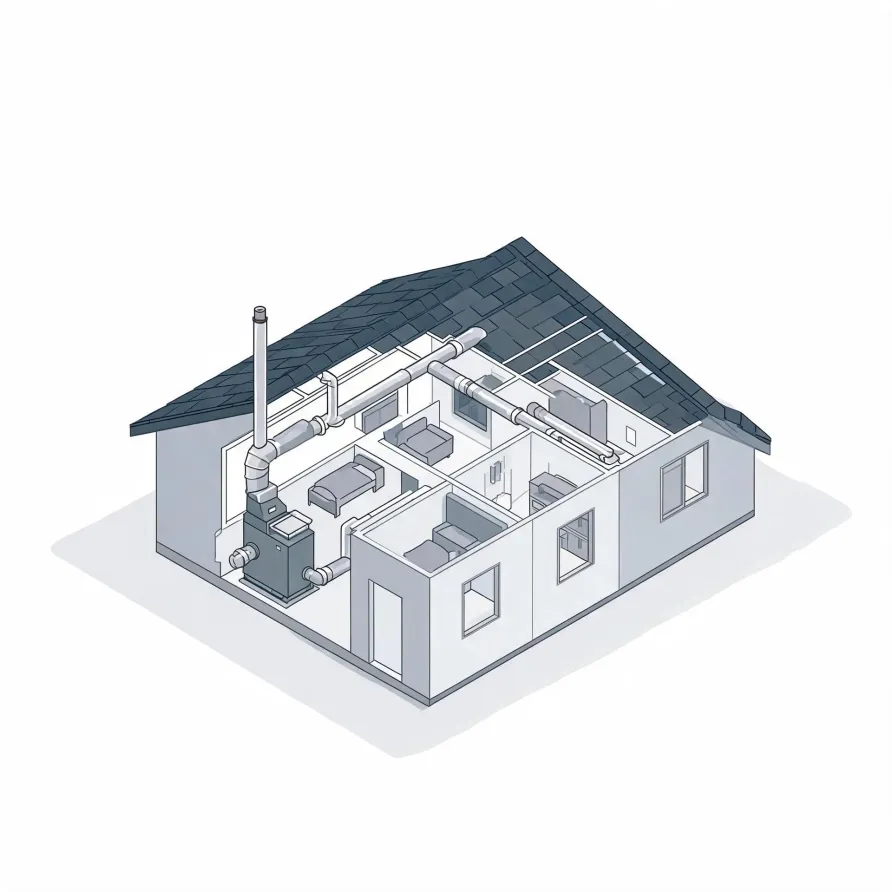
The furnace itself sits inside the house, most often in a basement, utility room, or closet. It is the central unit that generates heat and pushes conditioned air into the home. A new installation also includes the flue or venting pipe that carries combustion gases out through the wall or roof.
The air handler or blower assembly lives within the furnace cabinet and moves air through the supply and return paths. Alongside the furnace, a contractor installs the thermostat on an interior wall, which gives the homeowner control over when and how the system runs. The filter housing, where the air filter seats, is positioned at the return-air intake of the unit.
The drawing shows the general layout of these components, and a licensed contractor determines what applies to the specifics of your house.
Find a contractor in Whitman CountyWhitman County, by the numbers
90 severe weather events were recorded in Whitman County, Washington between 2015 and 2024.
NOAA National Centers for Environmental Information, Storm Events Database, bulk CSV export, events 2015-01-01 through 2024-12-31.Half the homes in Whitman County, Washington were built in 1977 or earlier (2020-2024 ACS 5-year).
U.S. Census Bureau, 2020-2024 American Community Survey 5-Year EstimatesWhitman County, Washington holds 22,091 housing units (2020-2024 ACS 5-year).
U.S. Census Bureau, 2020-2024 American Community Survey 5-Year EstimatesOwners occupy 46.8% of the occupied homes in Whitman County, Washington (2020-2024 ACS 5-year).
U.S. Census Bureau, 2020-2024 American Community Survey 5-Year EstimatesFurnace Installation Rules for Whitman County, Washington5 codes, standards, and laws
What the installation looks like
Non-weatherized gas furnaces manufactured on or after November 19, 2015 must reach 80.0 percent AFUE.
Non-weatherized oil-fired furnaces manufactured on or after November 19, 2015 must reach 83.0 percent AFUE.
Mobile home gas furnaces manufactured on or after November 19, 2015 must reach 80.0 percent AFUE.
Non-weatherized gas furnaces manufactured on or after December 18, 2028 must reach 95.0 percent AFUE, up from the 80.0 percent minimum that applies to units manufactured before that date.
Licensing Rules for HVAC Work in Whitman County, Washington
Washington requires contractor registration rather than an HVAC licence: every contractor must register with the Department of Labor and Industries, and advertising, bidding or working as a contractor without that registration is a gross misdemeanour.
Severe Weather Events in Whitman County
Whitman County's weather puts real demand on heating equipment, and the load a furnace carries over its life is shaped by how hard the local climate pushes it. That makes weather history a practical input when sizing and installing a furnace, not background information.
90 severe weather events, 2015–2024. Source: NOAA National Centers for Environmental Information, Storm Events Database.