Tell us about the job
Takes about a minute. No obligation.
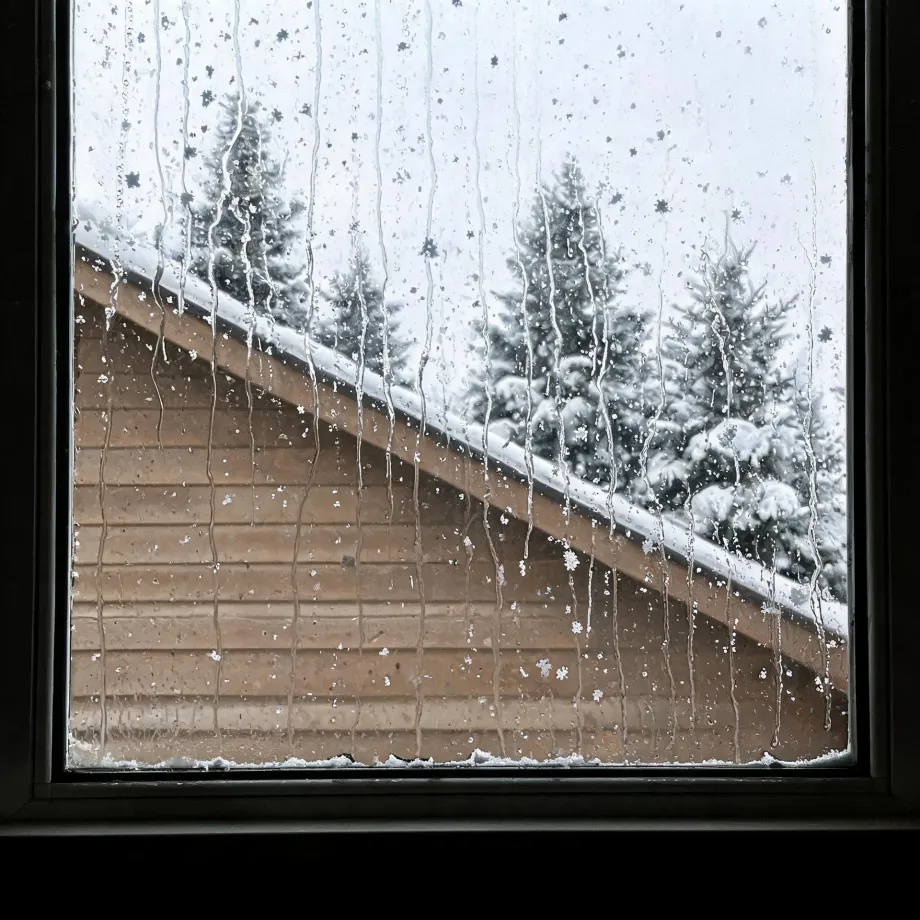
The burner and heat exchanger in a Yakima County furnace cycle through a long working year, and wear concentrates in exactly those parts. Homes in Yakima County, WA run heat about ten months a year, from September through June. By the time a furnace shows a fault, the ignition system and heat exchanger have already logged the kind of repetitive thermal stress that cracks and corrodes metal over time. A contractor here checks those first, because that is where the load has been going.
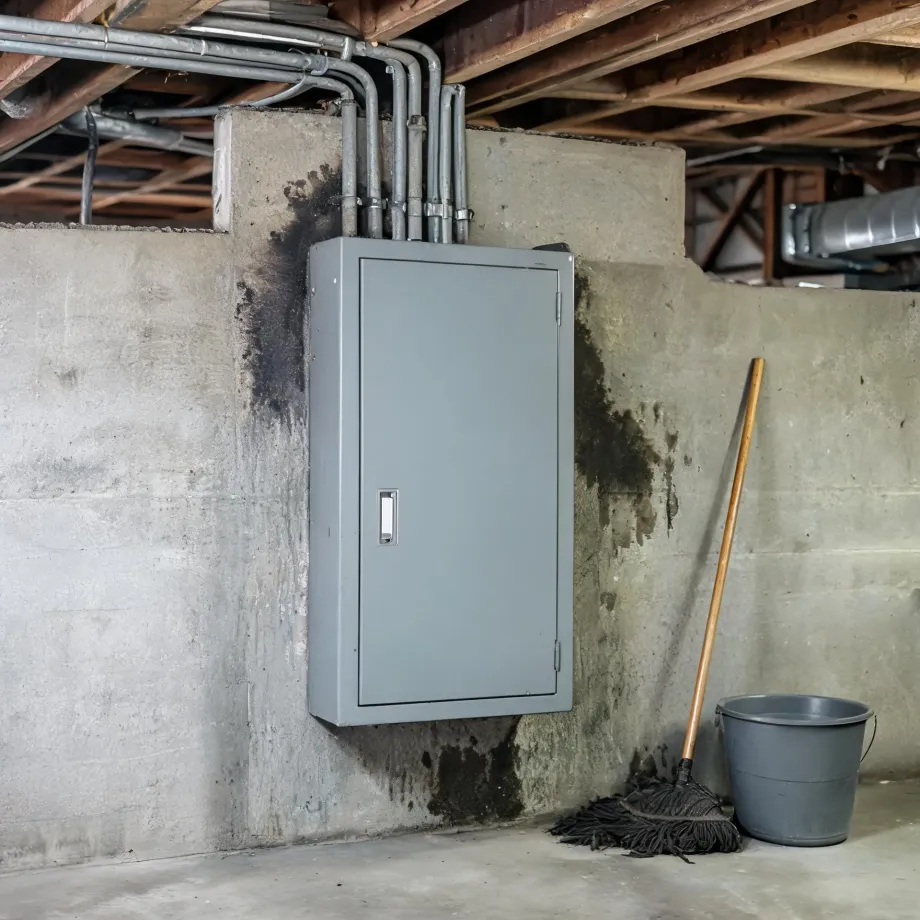
Furnace systems running in houses this age carry components that have cycled through multiple replacements already, and what a contractor finds once the cabinet is open often determines whether the job is a repair or a conversation about what is still available to order. Half the homes in Yakima County, Washington were built in 1977 or earlier (2020-2024 ACS 5-year). Stock built around that period was fitted with burner assemblies, heat exchangers, and control components tied to manufacturing lines that have since changed hands or closed, and a part that looks standard on a spec sheet can take time to locate in practice. The age of the ducting matters too, but it is the sourcing question on opened furnace components that tends to change what a repair costs here.
The Parts of a Furnace a Contractor Checks First
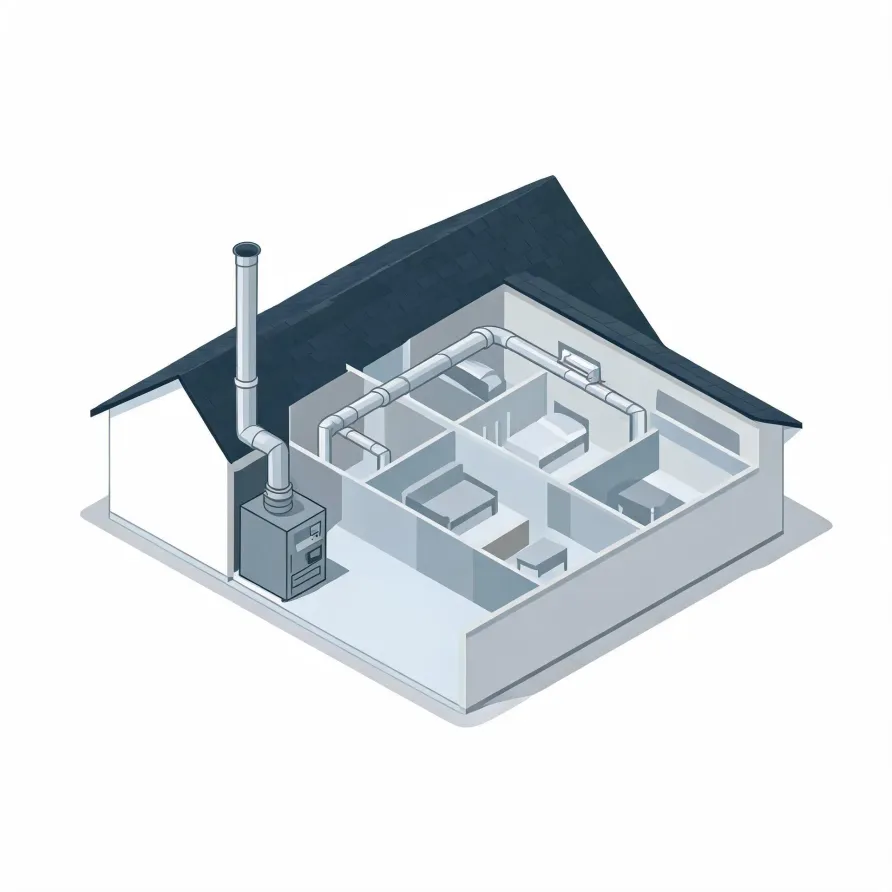
The furnace itself sits in a basement, utility closet, or mechanical room and is the heart of what a contractor examines during a repair call. Inside it, the heat exchanger is the piece that takes the most scrutiny, because a crack or failure there affects both heat output and safety. The burners and the igniter sit just below it, and either can be the reason a furnace starts poorly or not at all.
The blower motor and its fan wheel sit at the base of the unit and push conditioned air out through the house. The control board runs above or beside them and tells every other component when to fire and when to stop. The flue pipe runs from the top of the furnace to an exterior vent, and a contractor checks it because blockages or separations there change how the unit behaves under load.
The drawing shows a typical furnace layout, and a licensed contractor determines which components apply to the specific unit and installation in your home.
Find a contractor in Yakima CountyYakima County, by the numbers
84 severe weather events were recorded in Yakima County, Washington between 2015 and 2024.
NOAA National Centers for Environmental Information, Storm Events Database, bulk CSV export, events 2015-01-01 through 2024-12-31.Half the homes in Yakima County, Washington were built in 1977 or earlier (2020-2024 ACS 5-year).
U.S. Census Bureau, 2020-2024 American Community Survey 5-Year EstimatesYakima County, Washington holds 92,432 housing units (2020-2024 ACS 5-year).
U.S. Census Bureau, 2020-2024 American Community Survey 5-Year EstimatesOwners occupy 61.8% of the occupied homes in Yakima County, Washington (2020-2024 ACS 5-year).
U.S. Census Bureau, 2020-2024 American Community Survey 5-Year EstimatesFurnace Repair Rules & Standards for Yakima County, Washington5 codes, laws & specs
What the repair visit looks like
Non-weatherized gas furnaces manufactured on or after November 19, 2015 must reach 80.0 percent AFUE.
Non-weatherized oil-fired furnaces manufactured on or after November 19, 2015 must reach 83.0 percent AFUE.
Mobile home gas furnaces manufactured on or after November 19, 2015 must reach 80.0 percent AFUE.
Non-weatherized gas furnaces manufactured on or after December 18, 2028 must reach 95.0 percent AFUE, up from the 80.0 percent minimum that applies to units manufactured before that date.
Licensing and Legal Requirements in Yakima County, Washington
Washington requires contractor registration rather than an HVAC licence: every contractor must register with the Department of Labor and Industries, and advertising, bidding or working as a contractor without that registration is a gross misdemeanour.
Weather Stress on HVAC Equipment in Yakima County
Heating equipment works against whatever the outside air throws at it, and in Yakima County that load shifts hard across the seasons. Furnaces that absorb repeated weather-driven demand cycles wear faster, and repair needs here reflect local conditions rather than national averages.
84 severe weather events, 2015–2024. Source: NOAA National Centers for Environmental Information, Storm Events Database.