Tell us about the job
Takes about a minute. No obligation.
A furnace repair in King County starts with the parts that have been working hardest. Homes in King County, WA run heat about ten months a year, from September through June. The burner, heat exchanger, and ignition system cycle through that load season after season, and wear concentrates there. A contractor called out for a failed start or weak heat checks those components first, because that is where the history of the system shows up.
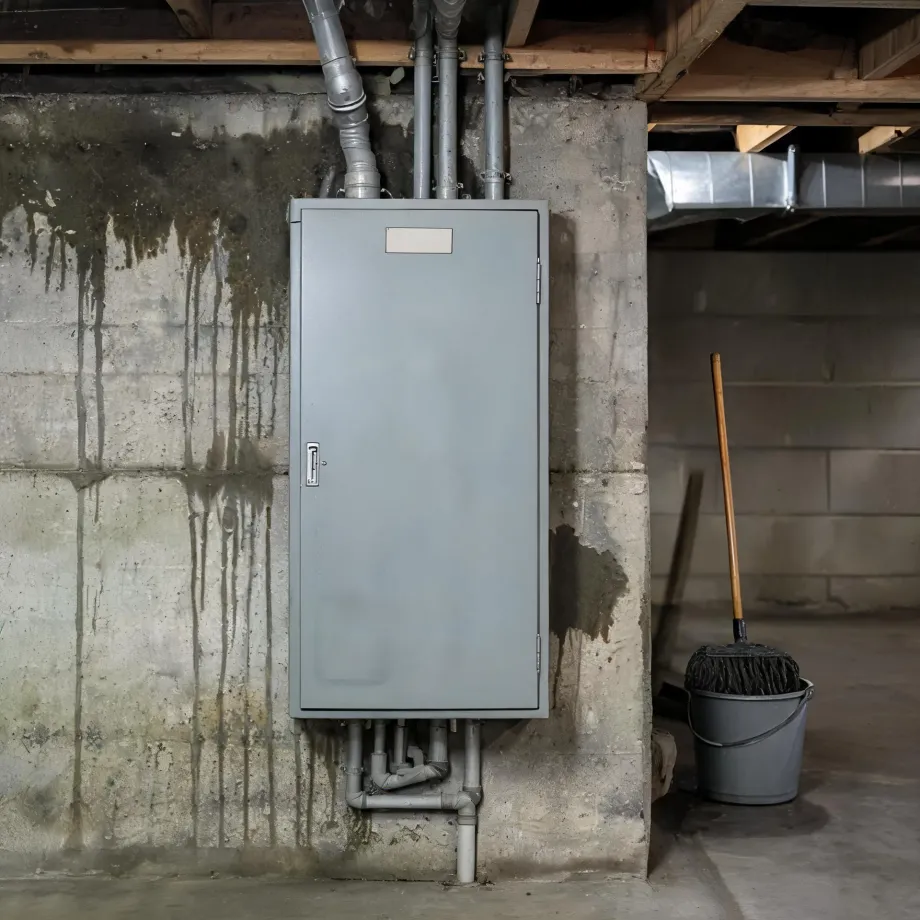
Ductwork sized for an older furnace generation carries a repair job differently than the equipment does. Half the homes in King County, Washington were built in 1983 or earlier (2020-2024 ACS 5-year). A furnace opened in a house from that era of construction routinely shows heat exchanger fatigue, flue connections that have shifted over many heating seasons, and gas valve wear that a visual inspection from the outside does not catch. Parts for systems of that vintage are still available, but the range narrows, and a contractor pricing the repair checks availability before quoting. What the opened unit contains is what sets the scope.
The Parts of a Furnace a Contractor Checks First
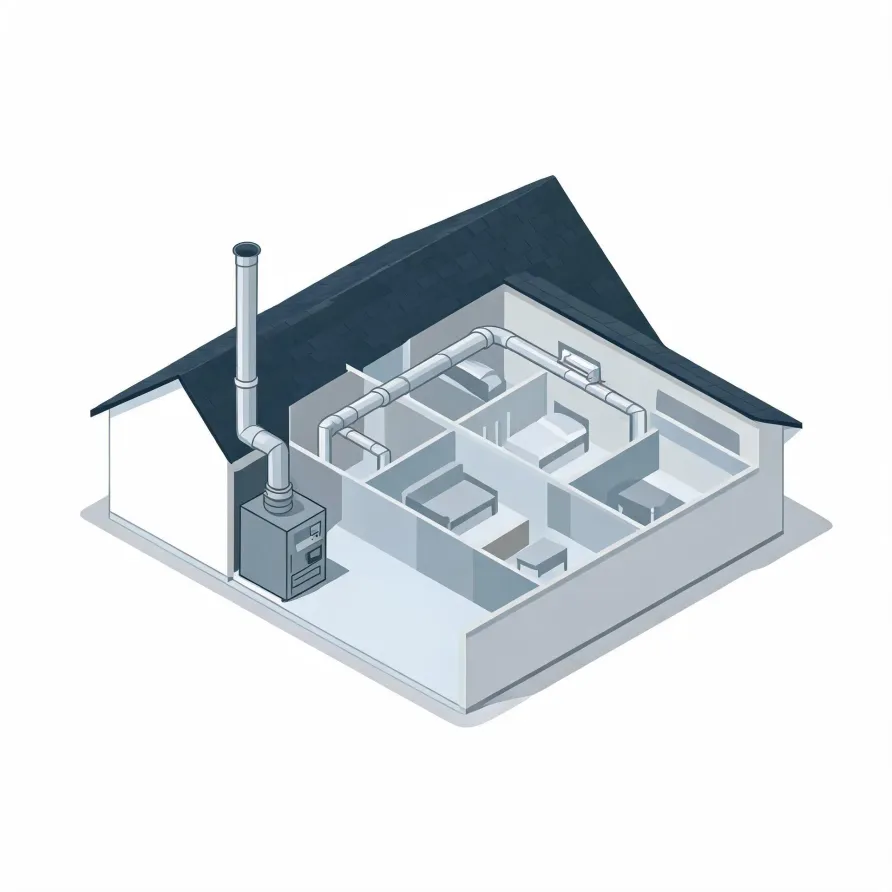
The furnace itself sits in a utility space, basement, or closet and is the piece a contractor opens first. Inside it, the heat exchanger and burner assembly do the core work, and cracks, soot buildup, or a failed igniter in either one are common reasons a furnace stops heating or trips a safety shutoff.
The blower motor moves conditioned air out of the furnace and into the duct system, and a worn motor or failed capacitor will cut airflow even when the burner fires normally. The flue pipe runs from the furnace to an exterior vent, and a blocked or corroded flue is something a contractor checks before ruling out other causes.
The drawing shows a general layout of these components, and a licensed contractor determines what applies to your specific system and house.
Find a contractor in King CountyKing County, by the numbers
1 severe weather event was recorded in King County, Washington between 2015 and 2024.
NOAA National Centers for Environmental Information, Storm Events Database, bulk CSV export, events 2015-01-01 through 2024-12-31.Half the homes in King County, Washington were built in 1983 or earlier (2020-2024 ACS 5-year).
U.S. Census Bureau, 2020-2024 American Community Survey 5-Year EstimatesKing County, Washington holds 1,003,284 housing units (2020-2024 ACS 5-year).
U.S. Census Bureau, 2020-2024 American Community Survey 5-Year EstimatesOwners occupy 55.4% of the occupied homes in King County, Washington (2020-2024 ACS 5-year).
U.S. Census Bureau, 2020-2024 American Community Survey 5-Year EstimatesFurnace Repair Rules on the Books in King County, Washington5 sourced standards and codes
What the repair visit looks like
Non-weatherized gas furnaces manufactured on or after November 19, 2015 must reach 80.0 percent AFUE.
Non-weatherized oil-fired furnaces manufactured on or after November 19, 2015 must reach 83.0 percent AFUE.
Mobile home gas furnaces manufactured on or after November 19, 2015 must reach 80.0 percent AFUE.
Non-weatherized gas furnaces manufactured on or after December 18, 2028 must reach 95.0 percent AFUE, up from the 80.0 percent minimum that applies to units manufactured before that date.
Licensing and Legal Requirements in King County, Washington
Washington requires contractor registration rather than an HVAC licence: every contractor must register with the Department of Labor and Industries, and advertising, bidding or working as a contractor without that registration is a gross misdemeanour.